Things I Learned in Greece

Here is a list* of things I learned on my summer vacation on Lesvos, Greece in June. I spent three delicious weeks there to celebrate my 50th birthday, be alone, and spend time with two sisters, one brother-in-law, one nephew, and two friends who joined me after the first ten solo days.

I learned:

  • The island life is perfect for a restful, slow vacation.
  • The plane ticket is the most expensive part of the trip because accommodation and food is way cheaper than vacationing at home.
  • Jetlag is the price to pay for crossing seven time zones in a day.
  • Airline agents are very generous and kind when I treat them like good humans who have feelings.
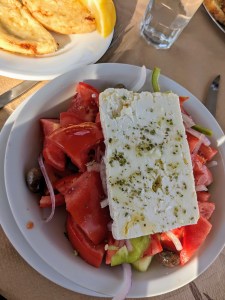
  • Traditional Greek food is fantastic, simple, and bursting with flavor, and lemon chunks squeezed on everything make it even better. Ranch would be a serious desecration. Ketchup would be even more scandalous.
  • I wonder if most Greeks are Ennegram 7s.
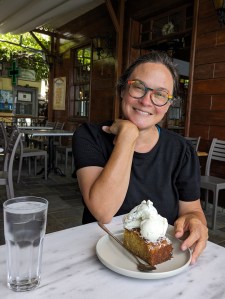
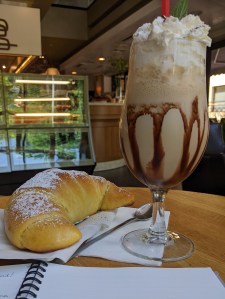
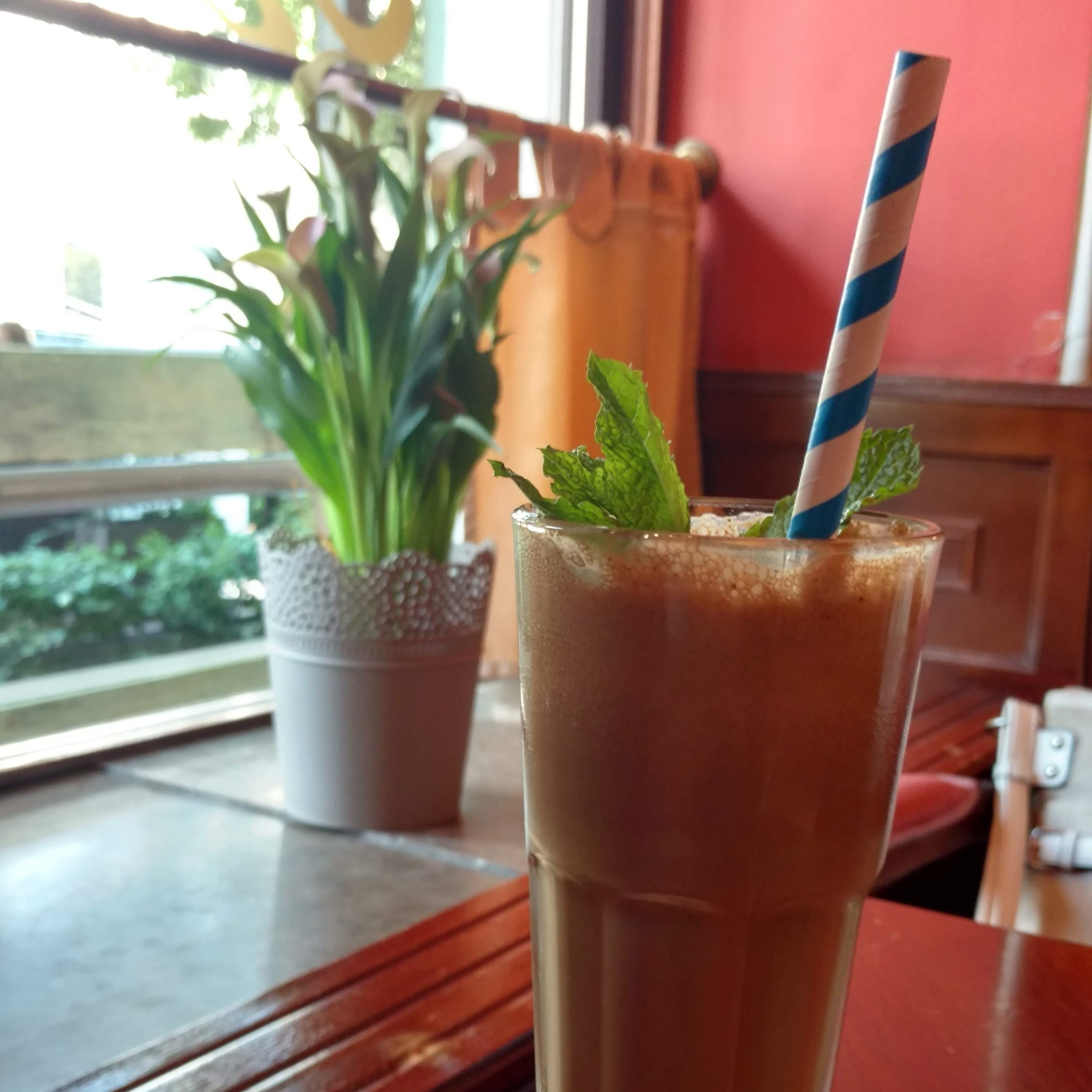
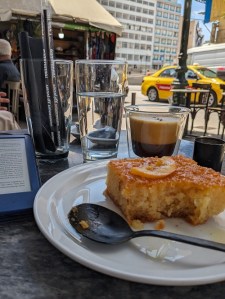
  • Europe’s outdoor café culture is the best. And Greek freddo cappuccinos are valid reasons to go to Greece.
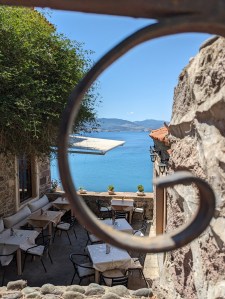
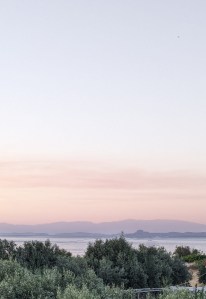
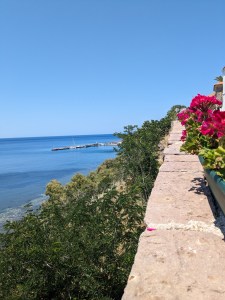
  • Sky and water in all its mirrored shades of light calms me like good music.
  • The lemon tree outside my studio apartment was covered with and dropping so many lemons, my landlady wanted me to take all I wanted. I can’t imagine living with such wealth.
  • Part of the efficacy of restful vacation is not needing stack activities. I can do one thing at a time: Drink coffee in silence. Read my Bible. Listen to music. Take a long walk in silence. Listen to an audio book. Read poetry aloud. Watercolor. No need to multi-task or watch the clock=bliss.
  • When I witness multiple nationalities and languages worshipping in one place, I always cry. Every time.
  • Beauty is profoundly healing.
  • Sunshine and solitude is deeply restful.
  • Some dreams come true. Others haven’t.
  • God is immensely generous to me, far beyond my deserving.
  • When I’m swimming and my friends on the beach decide to move down to a better spot, they can move my stuff and I can swim to the new place. Just like a mermaid.
  • Swimming alone is boring but still wonderful.
  • A three-year old nephew is completely irresistible when he cocks his head and says, “I want to chat with you!” I will happily talk or listen as long as he wants to chat.
  • Playing in the water with the nephew is the best playground in the world for both of us.
  • Sunscreen is worth the effort.
  • A day in Turkey gave us a taste of Middle Eastern welcome and warmth that seemed to go beyond mere salesmanship and I want to be like that too.
  • After three weeks of slow days and wholesome, fresh food and daily exercise and sunshine, I felt about 20 years younger. I felt. So. Good. In every way that’s possible to feel good.
  • Daily sunshine might have been the biggest, best thing about the three weeks. Locals don’t comment to each other about the nice weather because it’s always nice, and nothing to pay attention to.
  • I can drag my suitcase from the island, onto agents’ counters and over ramps to my house but I can never get the sand out of it–and I don’t want to.
*Inspired by Harry Baker’s poem, “Things I Learnt While Interrailing.

Our Trip to Savannah

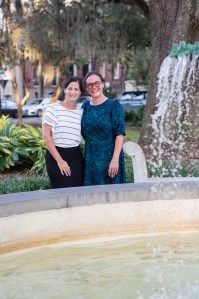
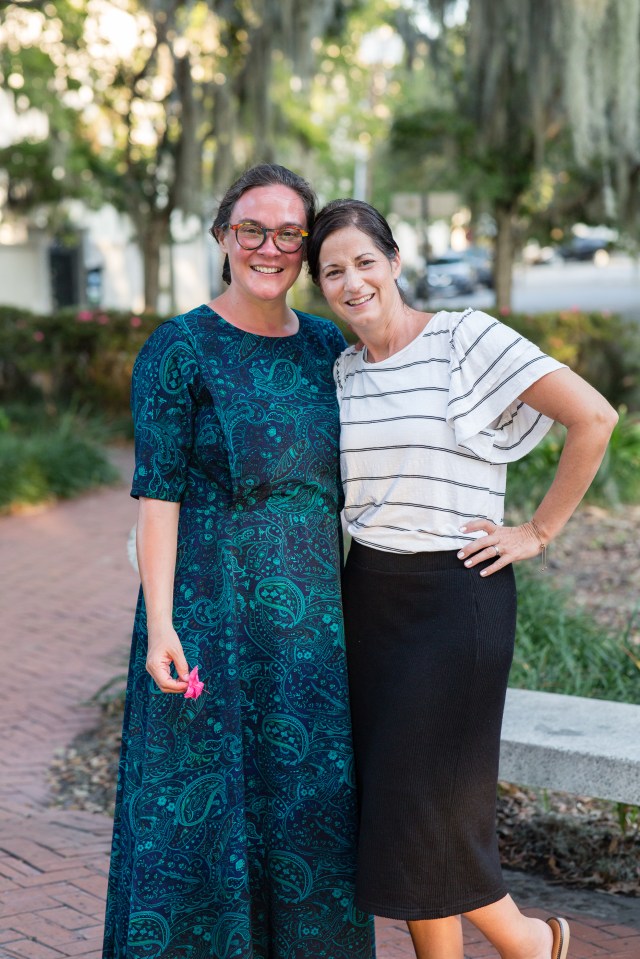
Back in May, I flew to Georgia to visit Lolita for a weekend. In the first hour, I knew she and Michelle and I needed to spend a weekend together. They had both been through traumatic years: caring for Ukranian refugees in Poland, re-entry to the US after 20+ years, a teen son with recurring osteosarcoma. They were still living in the ragged stages of recovery and survival and I knew in my soul we needed time to talk, breathe slow, and be present with each other. “We three should get together in—Savannah,” I said rashly, because I felt it deeply but didn’t have a plan.

They didn’t dismiss the idea, even though it felt impossible. How could it be possible, two homeschooling moms leaving for a weekend? We kept hinting at the dream throughout the summer, waited for  CT scan results, and when they were (miraculously!) clear, we started planning in earnest.

We would stay on Tybee Island. Michelle would drive 9 hours from VA. I would fly in late after teaching that day at Ministry Training Center. Lolita would have the shortest drive and would bring the essential food items: coffee, cream, and scone ingredients for me to bake.

They settled into our un-luxurious but clean condo and had the evening together on the beach and picked me up at the airport after 10:00. Each night was so funny. We had all these things we wanted to do and talk about, (including a blind date they’re thinking about for me) but after about 10:30, we discovered we weren’t teenagers anymore, and we’d struggle on until we hit a wall at midnight and call it a day. I spent the next week trying to catch up on the lost sleep. I wonder if this proves my age more than anything else about me.

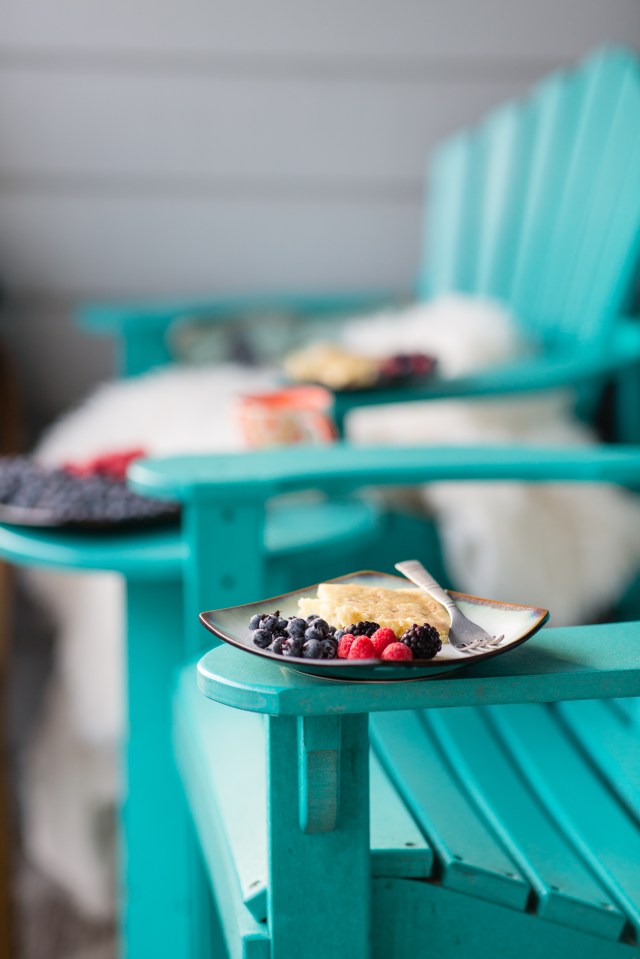
We didn’t sleep late, and sipped our coffee on the balcony in the glorious sunshine. I mixed up the scones and made a mistake and they became a fluffy cakey thing that we nibbled the rest of the day. We wanted to name this new creation but couldn’t settle on a name that suited us.

The beach wasn’t hot, but it was sand and water and scattered sunshine. And it was space to talk and talk and listen and listen and laugh and cry. We found our way to the city and the river front, and got carried away with the elegant, weathered, old-world vibe.


Vic’s on the River was a elegant place that served food flavored to perfection. We moaned and swooned over my shrimp and grits and Lolita’s she-crab soup. I was going to be good and order water, but how could I not enjoy sweet tea while in the south? The sweet tea was perfection. The wait staff were elegant and personable and we felt like princesses.

At the end of our meal, the lady beside us asked if we’d recommend the shrimp and grits. We got into a conversation when she asked where we’re from. We explained that we’ve been close friends for years at a distance, and have never been together with just the three of us. “This is a story,” our new friend said. “You could write a book about how you all got together!”

It’s true. Way back in our Voxer days, I created our chat group so that we could stay connected over all our drama. These were the friends who knew me the longest and we’ve stayed connected by that bond that comes from years of shared history. A book would make a good story about strong, enduring friendship across many miles and years. And the wonder is that it’s not a story, but a beautiful friendship of three.

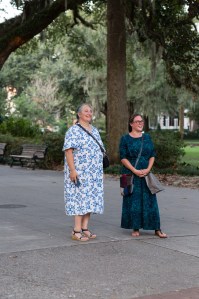
For the rest of the glorious afternoon, we ambled the beautiful old streets marked by restful squares filled with giant live oaks, benches, and paths. We moved slow, took lots of pictures, oohed and ahhhed over anything and everything, and laughed often, because there were always big feelings.


In one deserted square, it was golden hour and Michelle was taking lots of pictures and the fountain was calling my name. I sat on its edge, swung my feet into the water, and asked Michelle to take a picture of me splashing. But on the second kick, my sandal strap broke. This is maybe one reason  moms don’t let their children splash in public fountains, but I say when you’re nearly 50, the rules change. Even so, I knew as I was kicking that the sandals weren’t made for this kind of fun, and I should’ve taken them off first. We laughed and wailed at my thoughtlessness, and I walked for hours with one sandal. Eventually, we passed a CVS where I found cheap flip flops to wear back to the house. I still don’t regret splashing in the fountain. I’ll splash barefoot next time.
.    

We watched art students sketch and sat long at Forsyth Square. We kept thinking we were back in Europe and it felt surreal. We got snacks and headed back to the condo and couldn’t manage to stay awake and coherent past midnight.


The next morning, we savored coffee on the balcony again and packed up. The beach was  cool and windy, so we headed to the city. The drive in, across green swamps, was like moving through a painting. We found Savannah Coffee Roasters, a place that ticks all the boxes for a coffee shop you could stay at for a long time or keep coming back to. One of the owners is Australian, which may account for that flair of menu choice and extraordinary service.


We took our coffee and pastries to a shaded square and sat on a park bench and talked for a long, long time. We had to watch the clock because we had miles to go that day, but we didn’t move fast. We found a Churchill pub with she-crab soup and sweet tea and it was wonderful. Then we had to say goodbye. Michelle hit the road and Lolita dropped me off at the airport.

I had a very long, lonely, late trip home and fell into bed in the wee hours of Monday morning with no regrets.

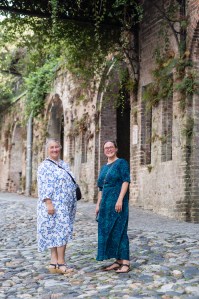
This tells what we did, in broad strokes. Michelle was the unofficial professional photographer and all the stellar shots here are hers. Photos are wonderful to document the sights. But what we heard, felt, said, saw, stays with us beyond what photos convey. All we can say is we’re much better  for this sweet, beautiful break in an old southern city.

An Epiphany About Running

children-479692_1280

This is a rerun from the archives of 8 yrs ago. These days, I’m still thinking about impossibilities and miracles and Resurrection. And I love reliving my charmed tourist memories: grainy, zingy zatar–the stinky camel ride and my breathless laughter–glorious Dead Sea swim–Capernaum and the Sea of Galilee and eating a lunch of humus beside it–the ache of the Wailing Wall on Good Friday–the shine of one man’s eyes telling another “He is risen!”–the walk to Emmaus with sunshine, friends, songs, and a turtle. I will never be the same.

Last week I flew from Warsaw to Tel Aviv in order to spend Easter with my friends in Jerusalem. Sound exotic? Yes, it was. I’m still floating. But this is not a travel blog, though I dream of that. This is about an epiphany I’m still living with.

The plane was filled with Polish Jews and I reveled in the beautiful, exquisite atmosphere with the families mingling and smiling and comparing notes. “We’re going for Passover in Jerusalem then rent a car and travel further. What? You too?” Polish Jews have suffered so much in this country, and I could feel the pulsating home-coming atmosphere and was so happy for them.

Wedged between two pleasant gentlemen, one wearing a kippah and editing his movie of a rabbinical school, I opened my Bible to Luke’s account of the resurrection. I wanted to enter into the story as much as possible in the next several days. I wanted to hear and see and smell what Jesus and His loved ones did. (As it turned out, it seemed that I could only see the same sky they did, because not much else is the same, but that’s ok. The journeys of the heart are what really change us, I think, not a physical pilgrimage.)

Luke says the women found the tomb empty and heard the angels say that Jesus was no longer dead, and then went back to tell “all the others” about it. You know how women are when they get to be the first to tell someone their exciting news.

This was the best news that could ever happen, but Luke says that to the disciples, the women spoke idle tales.

Empty words.

Jibberish.

Jesus had repeatedly confided in these men. He’d told them He would die and rise again. He’d done what He could to prepare them for the devastation they would feel, but it did not compute for them. Now this morning they were so crushed that they couldn’t let themselves believe what the women were saying.

Do you know how blankety-blank hard it is to sustain hope? It’s easier to write it off as nonsense and foolishness and tell yourself not to care anymore.

Mark says the disciples didn’t believe the women nor Cleopas and his friend from Emmaus who had walked and talked with Jesus that day. It’s impossible to believe news about a miracle when you watch your naked hopes dangle on a bloody cross in an earthquake.

When everything you counted on is gone.

When you don’t even have the remains of what you loved.

But Peter ran, Luke says. John’s version includes himself in the running. Peter had loved Jesus the most boisterously, the most rashly, and he couldn’t believe what he’d just heard but he had to check, just in case, and neither of the men could wait or walk calmly.

They ran, and I weep over their eagerness and their stunning courage. They ran head-long into the place that held the potential to break their hearts even more–if it’s possible to break a heart that’s already shattered. There was no precedence for what Jesus did, and they had no proof of the women’s words being true.

Except they had Jesus’ words earlier, which is life and power but they didn’t know that yet.

Wedged in a tight airplane seat, I tried surreptitiously to wipe my tears on my scarf because I didn’t want the men to get worried about me crying.(“No, no, I’m ok–I’m not scared of flying—everything’s ok!” I would have said.) But I can’t stop crying about it even now. There is maybe no other scene that speaks so powerfully to passion and longing and life than this one–of the men running toward what they couldn’t believe.

There are a thousand things I hope for myself and those I love. Sometimes I get a tiny glimpse of how things could be. How a miracle would change things for them or me, how we could enter more fully into what we were created for.

But it feels so impossible, so far away, that I write it off as pish-posh. Or I believe the lie that I don’t deserve these miracles. Or we’re not one of the lucky ones and God is handing out miracles to others but forgot about me and my people for awhile .

And lies and fanciful tales don’t sustain and don’t give life. In fact, they starve me. Poison my system. Shut me down. Keep me from running.

With the power that woke Jesus from the dead, I want to run toward His miracles. Not wait around and see what happens. Not discount it as excitable women’s words.

The best thing that could happen had just happened, and it was impossible and Peter couldn’t believe it, but he still ran, and by the Lion’s mane, I will too.

Abstract Painting

A craggy cove of Irish green and spray

Rome’s sun-washed marble plazas and diminutive espressos

But before that, shiny copper toes and nose of Bremen town musicians

Jerusalem’s crookedy paths, coaxing vendors, spice mounds

Piercing glacier breeze in Swiss Alps, milk chocolate bars on chewy bread

Acres of rainbow fields below sea level and pristine curtain-less Dutch windows

Mediterranean, Aegean, Irish, Baltic, Galilean, Dead Sea waters splashed throughout

Southern Cross, Iguazu Falls, mandioca, churrascaria

Syrupy, flaky baklava and two bald brother hills of Mars and the Parthenon

The fishwife in Waterford, children with shining eyes reaching for ice creams

My Polish mom who fussed me soup and heard my silent tears and kissed me quiet

Farmer neighbors who regaled me with stories of feeding cats and shutting the courtyard gate.

Caption:

Place and people

Splashed color

Flung texture

And the ring of the globe

Circling its frame.

Travel Tears


Three years ago, I spent a week each in Ireland and Poland. Travelling went smoothly except my luggage came a day late in both places, and I had a complicated itinerary and by the end of the trip, I had let anxiety get the best of me. I couldn’t relax and enjoy the journey because I felt so alone and unable to cope with the uncertainties that come with travelling solo.

I came home and cried to my mentor that I’m so done with travelling alone. She heard my story and said, “I’m sorry. That’s hard. But you’ll travel again.” She said it gently and confidently, but I wasn’t sure I could believe her.

She was right, of course.

Last month, I travelled alone in Europe for three weeks. Alone, as in alone in the airports, trains, and bus, as I went from place to place to see friends and family. I got to see lots of favorite places and lots of favorite people. I wasn’t a tourist so much as I was connecting with people in their spaces and it was a rich, intense, beautiful vacation.

However, I cried a lot in airports—something I’ve never done in all my travels. I’d always internalized the stress of travelling, or gotten angry or anxious, but this time, the distress came dripping out in tears.

In Cologne I hugged my terminally ill friend goodbye and we said to each other, “I’ll see you in a better place!” but I didn’t cry then. The next morning at the check-in desk, the agent said the flight to Dublin is cancelled. I messaged my family to ask them to pray about it then burst into tears. Later, after an agent rerouted and rescheduled my itinerary and I found a lovely coffee and pastry to drown my sorrows, I still cried.

I cried into my coffee in Dublin airport, reading the Sermon on the Mount with big feelings. When I got to Copenhagen and ran a mile to my gate and found it closed, I cried.  When I got to Warsaw, my luggage didn’t come, but I didn’t cry then because I was glad to finally be there. I did ask myself why I go to the bother of travelling when it brings this much upheaval but when I saw my friend who’d come to meet me, I remembered why I travel. The luggage came 36 hours later.

On my last layover, headed back to the US, in London Heathrow, I made myself buy something sustaining to eat, and as I ate a falafel and hummus bowl, I got the message that my youngest sister had just lost her baby. I’d been with her two weeks before, and when I’d hugged her goodbye, I’d said, “I’ll hold your baby at Christmas!” The pregnancy was 15 weeks along, but the scan that day showed no heartbeat. So I cried in an airport again. Alone, far away from anyone I know, and so, so sad.

It’s a weird, alien feeling to be surrounded with hundreds of people and be crying alone.

However, on this trip, for whatever reason, I enjoyed and interacted with fellow travelers and crew like never before. I saw so much beautiful humanity in people, laughed, surmised, discussed which lines moved the fastest, watched their luggage. Laughing with strangers is magical!

But bigger than the tears and human connections, two concepts grounded me and kept me from the anxiety and anger I’d felt three years ago. These ideas colored my trip more than the tears and distress.

The Lord watches over the alien. I’d found this verse in Psalm 146:9 and read it on behalf of all the refugees in the world. But I decided to claim it for myself on this trip. I wasn’t a refugee, but I was a lone stranger in foreign places and I needed to know God was watching out for me. And He did. In all the cancellations and delays and reroutes and tears, I knew His eye was on me and it was going to be ok. I felt a deep peace that went way beyond positive thinking.

I understood that I was experiencing privileged loneliness. Often in those three weeks, I heard myself say, “Oh this is so good again. I miss this so much.” It was wonderful to be in Europe and I reveled in it. I felt overwhelmed with the goodness surrounding me and felt small and undeserving of experiencing so much richness. All I could say was “Thank you thank you thank you, God.” So I was very lonely in spots, but it was a privileged loneliness, and a place to feel deep gratitude. The goodness around me was immense, outrageous privilege handed to me without even having asked for it.

Strange how that works. The deepest voids are the places where God’s goodness splashes all over.

White Space

In an intense season when I didn’t have the emotional elastic to flex or be gracious, my mentor told me to think about margins. “Think of the white space around a notebook page. Margin makes the writing legible, lets the eye rest instead of cramming the page full. How much white space is in your life right now?”

Oh. White space? The days were crazy full because I was learning the ropes at a new job, evenings and weekends were full of people around me, and what was margin?

Her words marked a pivot point for when I learned the value of claiming white space to live well.

Last month, July, marked a year that began a fast slide into a dark, oppressive tunnel for me. In the space of two weeks, I heard multiple pieces of devastating news that affected me and people close to me, and sadness closed in on me like heavy, noxious air that doesn’t lift. It smeared and blurred my days. I didn’t despair, but felt so, so sad. I heard about cancer, suicides, child prostitution, more cancer, refugees, and the dark didn’t go away.

It sounds melodramatic now to say it this way, but I felt blind to sunshine and deaf to laughter. I asked my journal When will the madness end, and how is it pity that stays His hand? Tears simmered just under the surface every day for months. I went through the motions of working, talking, living, but felt robotic and dutiful, operating out of scarcity, not abundance. 

Light broke through now and then, thin golden hair lines that kept me from despair and told me that darkness isn’t the only reality:

  • Writing poetry
  • A friend’s confidence that heartache matters to Jesus
  • Deep, restful sleep
  • Vitamin D and mid-day walks even in driving snow
  • Life-giving connections with people, unpredicted and surprising
  • Golden moons and pink sunrises that took my breath away

In that age-long year, with its time warps of non-routine and aching social distancing, I found a cushion of comfort in white spaces.

Last summer, some evenings the madness lifted when I sat in the hammock on the porch and read or listened to the night sounds and ate round salted tortilla chips from Aldi. It wasn’t a balanced diet, but I didn’t know what to cook, and now and then eating a bowl of tortilla chips gave me space to breathe.

In the fall, my housemate and I painted our shared living spaces, the kitchen and living room, a pearly light grey trimmed with white. Before we painted, most of the walls were covered with stuff–my stuff, let’s be honest. But now the biggest walls are empty and we love it. I always liked our space, and now I love it even more. It’s white-on-white space. Welcoming. Rest. Calm. 

I drive mostly in silence. It gives me a chance to close the whirring, jangling open tabs in my brain one by one. When I need music to feed me, I click “shuffle play” for my choral gems playlist, and I don’t have words for how those voices and harmonies calm me. Recently a counselor friend told me that in the weeks after the horrific shooting at Nickel Mines, the Amish community would gather to sing and sing for hours. I haven’t suffered the trauma they did, but I can see how the mind-soul-body layers of a person are aligned when we sing or listen to singing. Singing soothes and calms and heals me and gives me a buffer from the madness.

This past May and June, the heavy, dark air in my soul slowly lifted. The sun came up earlier. I heard myself laughing and singing more. A trans-Atlantic margin of white space to see siblings gave me a break and a re-set on multiple levels. I rode a bus between major cities in Jordan and watched new landscape and architecture slide past the windows and I felt more alive than I’d been for a long, long time. The sun pressed hard on my face in Greece, telling my body firmly that this is summer, summer, summer, and winter is far away. White space. Rest. And did I mention sunshine?

Now I’ve discovered the lightness of social media fasting. For a week in June, I took Facebook and Instagram off my phone. I was tired of the mindless scrolling and the numbing dopamine and I wanted to read more books and sleep more. It was a very nice week. Then I went to a five-day retreat with no internet access. For the first 24 hours, I felt fidgety because what if I was missing out on something important? Then the fidgets went away and I almost got high on the freedom of being disconnected from the outside world. It was looooovely! Now I access Facebook during the day because it’s part of my job, but when I’m home, I don’t need it except for the rare times I post something. I found an app that limits my Instagram screen time to 15 minutes a day, and I love it. Sometimes on weekends, I extend the time limit, but I love the white space this app helps me reclaim from the day.

My days and pages are still crammed and scribbled full of more than I can do well, and I still tend toward panic and anxiety and feeling snappy. I don’t enjoy talking about this part of my life and I can do it here only because I’ve first talked these things over with strong, safe people I lean on. Dumping all of my (most presentable) guts out on the interwebs like this has limited value unless it can spark a resolution in all of us to work hard at reclaiming space to breathe, rest, give margin around the madness.

Join me?


Nested and Ready

Some years ago, in the days between Christmas and New Years Day, a handful of us took the train from Warsaw, Poland to Berlin, Germany. In addition to taking in charming Christmas markets and glorious coffee, we took a walking tour based on Berlin in World War II. We met our tour group at the gates of the world-famous Berlin Zoo (but didn’t go in, so I want to go back) and walked around the city for the next three hours.

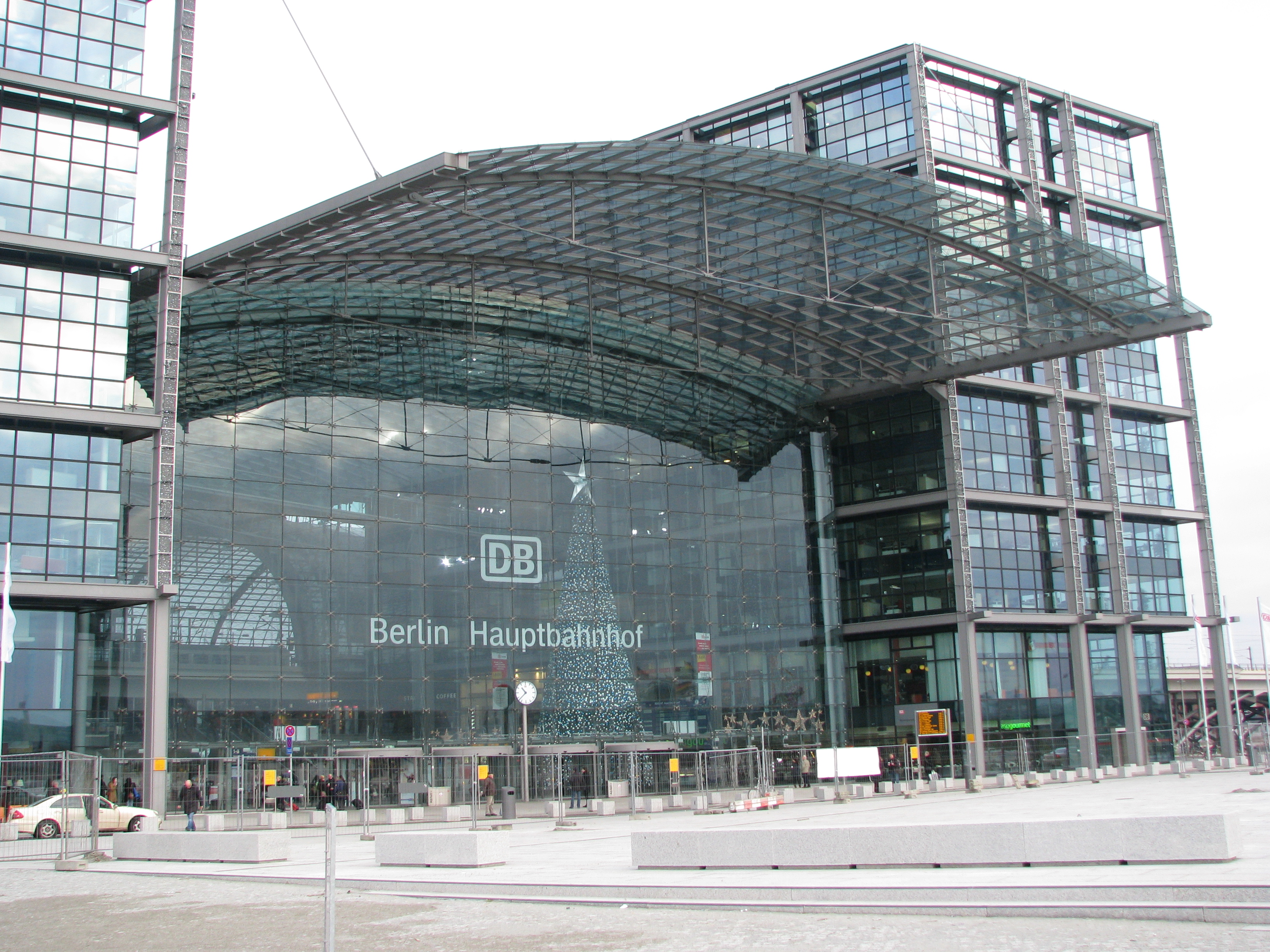
Our guide was a passionate college history student. Among many  things, he showed us the Reichstag building, the enormous Hauptbahnhof, remnants of the old Berlin Wall, and ended at a parking lot under which Hitler had his last bunker and killed himself.

DSC02746

Reichstag building

IMG_1580

Hauptbahnhof: Berlin central station

DSC02755

a playful bear between remains of the Berlin Wall

I often think about part of the tour where the tour guide had us stand on a sidewalk and look at the shops lining the street and apartments stacked above us. He told us to imagine how it was for a housewife who lived four stories high during the war when the Allies’ planes dropped bombs on the city. The housewife would cook and take care of children and do the grocery shopping with ration cards, but every minute, she had one ear open for planes and the air raid sirens.

When she heard the sirens scream, she’d turn off the burners on her stove, bundle up her children, trundle them down the steps, and head down the block to the nearest bomb shelter. She would wait there in the dark with strangers and sick, terrified children until they heard the all-clear sirens. Then she could go back home but never knew what time of day or night the sirens would go off again.

The level of stress, fear, and traumatic memories had to scar that generation beyond what we will ever know from history books.

These days, another era of devastation is happening in Syria, Turkey, and Greece, with traumatized men, women, and children running away from fire and bombs and being refused a safe place to stay. They’ve left everything they love and own, but people shoot at their boats to keep them from landing safely.

When I see those pictures and hear those stories, it makes me cry and feel like the richest girl in the world. Our current distress of endless disrupted plans and shelter-in-place restrictions is nothing like the trauma of being homeless and escaping bombs.

There’s a valid sense of loss and grief, but let’s keep some perspective. I don’t want to be glib because this IS real hardship for a lot of people, but we have food (not rations), soft and warm beds, electricity, and WiFi to connect us to our loved ones. This is hardly trauma–not the kind that rearranges our neural pathways and transfers to the next generation. It’ll be in the next history books, and it’s taking awhile to find our way, but MOST of us aren’t fragmented and devastated like a country in war.

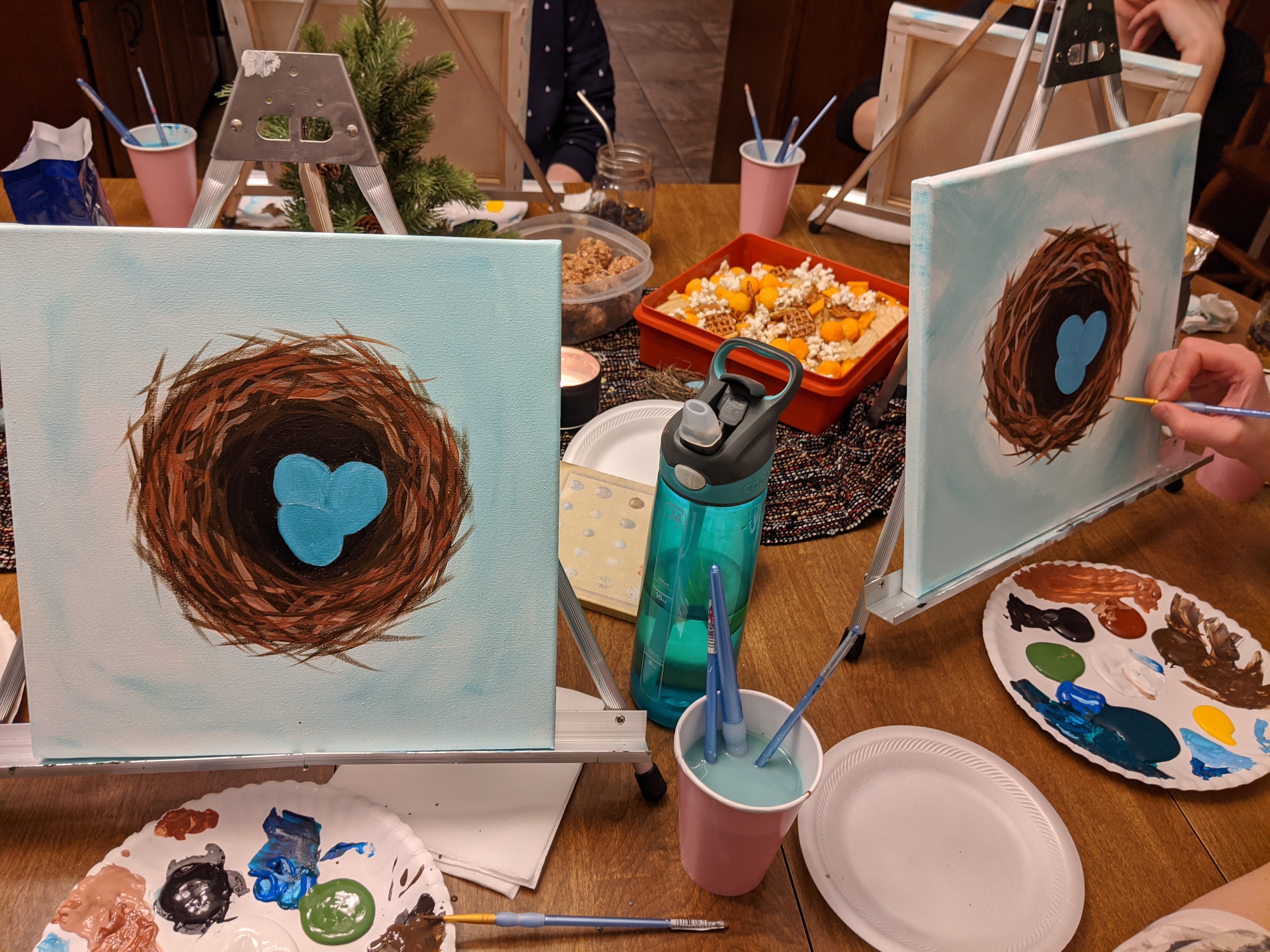
A couple weeks ago, before the social distancing restrictions, a sweet friend hosted a painting tutorial party. It was the best way to spend an evening, and our teacher said she enjoyed it more than anyone, which was hard to imagine because we had so much fun.

img_20200305_200350

While we painted, we talked about words we could put with it. Everyone had different ideas for words they could use. Several days after painting it, I cautiously wrote some light, feathery words on mine then took it to my office.

img_20200320_112557

He will cover you with His feathers.


img_20200320_112536

Now with the COVID-19 upheaval, I keep thinking about how we’re in a nest. It’s a little dark and prickly in spots and confining, but we’re utterly safe. We’re fragile and clueless, but the enduring nurture, tenderness, and gentleness of God’s feathers cover and carry us. We have access to healing and rest and comfort beyond words.

We’re not going to do this crazy era perfectly. We’ll get impatient and frustrated and feel odd compulsions, and it’s ok. Crisis brings out the worst and best in us, and we can give each other space to fail.

But what I love about this is that, unlike World War II, this is not one nationality pitted against another. The pandemic is global and it’s unifying humanity like we were created to be.

Christians should be leading the way to model what Kingdom citizens do in crisis: respect, serve, love generously, sacrifice, create, work in tandem with God to make His power and glory visible.

Like a great stage master behind the scenes, He has already been working to put the broken world to rights. We are covered with His feathers, and He had this wild idea that we could partner with Him in that enormous work. (Ok, the metaphors are getting muddled here, but think about it!)

I don’t know everything that partnering with the Almighty means but I’m in! It will probably not include heroics. It will probably mostly involve little, hidden decisions to do the next right thing and push against comfort and toward love for others.

Join us?

Just Ask

Five years ago, my friend Janelle and I flew to San Diego for a Storyline Conference that Donald Miller was hosting. I learned and observed things there that I still think about and refer to, it was that powerful and significant.

The strength of the weekend was how Don shared the stage with many other people who have learned to live well and impact their world. People like Bob Goff, Shauna Niequist, Mike Foster, Tricia Lott Williford, and others.

One of the speakers was Jia Jiang, who told us about his experience with Rejection Therapy. His motto was “Just Ask. “ He got into about 100 adventures, like getting a ride in a police car and playing soccer in a stranger’s yard.  (Listen to his TEDx talk here.) The ask that put him on the map was his request at Krispy Kreme for five donuts in the shape of the Olympic symbol.

donuts

PC: Jia Jiang

Just ask, he says. Asking for what you want can open up possibilities where you expect to be rejected. Also, there are ways to ask that help to disarm the person you’re asking and equalize the space between you.

The last day of the conference in San Diego, our hotel shuttled us to the venue, Point Loma Nazarene University (a gorgeous destination in itself). But we didn’t know when the evening session would be finished and couldn’t book the shuttle for the evening.

In the cracks of that day, I kept thinking about the dilemma of getting back to the hotel that was over two miles away. In the evening, it was dark and raining, so walking wasn’t an option. I wasn’t worried, but very curious about how we were going to get back.

After the last session, in the line waiting for the restroom, I happened to stand beside a girl I’d talked with in the morning. She’d told me then that she had driven there, and was staying with an aunt. In a crowd of 1,600, what are the odds that I’d bump into the same person twice? I remembered the “Just ask” speech and asked if she could take Janelle and me to the hotel.

Of course! she said. She was glad to help us out, refused payment, wished us the best, and we never saw her again.

I’ve learned “just ask” is a useful motto in many scenarios. Asking is usually something I want to avoid, because it puts me in a needy place. It reveals my dependence. It’s risky because being refused means I was too much or too something else. But if it’s not unreasonable or demanding, asking appeals to the human, soft part of a person who is happy to help.

Does it mean I always get what I ask for?

Nope.

But I’m collecting adventures too, when I just ask.

Recently I wanted to book an Airbnb in a little town that I’d fallen in love with. I wanted to spend Labor Day weekend there by myself, exploring, reading, and resting. But I waited too long, so the place I really wanted wasn’t available.

I debated about changing my plans, but then felt strongly that I could at least message the owners to ask if they could refer me to someone in their town.

Just ask.

In a couple hours, they responded, saying they’d blocked those days because they’ll be gone, and they prefer not to have first-time guests then. But they’d like to accommodate me because I seem like a sweet person and a fan of their charming village, and what dates do I need the apartment?

We messaged back and forth in a flurry, and in a few hours, they unblocked the dates and I made the booking. They’re going to be gone, and I’ll have the place to myself the whole blessed weekend. I’m excited beyond words.

Just ask.


Smells Like Home

img_20190621_183546132_hdr-e1561590911559.jpg

img_20190614_120508154.jpg

img_20190608_083816097_hdr.jpg

img_20190611_142838197_hdr.jpg

When I was little, my school friends and I used to have scarves or gloves that looked the same, and when we got them confused, we’d sniff the item and know whose it was.

I’m still fascinated with what makes every household smell different, because we all know and recognize our friends’ houses smells. It has something to do with how much garlic the mom cooks with, what laundry soap she uses, what oils she diffuses, how much accumulation she allows in the laundry basket and trash cans.

One house’s smell isn’t really better than another’s. It’s just different.

Sometimes more than anything else, my sense of smell tells me what country I’m in.

It happens every time I leave Europe and walk from the jet way into the airport. I breathe in deep, feel the coolness of a generous air conditioning system, and smell the commercial, clean American fragrance. It smells light, sanitized, synthetic, luxurious.

The Dublin airport isn’t over cooled, and the air smells less clean than American airports, but pleasant. Past the smokers standing outside the door, I smell the brisk, damp, salty air, and breathe in as much as my lungs can hold.

In Poland, people tend to avoid any moving air. Stepping outside the airport, I smell the dry continental air. Some stores have little or no air conditioning, and the air smells heavy, briny, earthy. On the sidewalks, people frequently brush past me with an aura of rich, glorious fragrance that makes me want to follow them, sniffing like a puppy.

Rumor has it that Americans have the wasteful habit of taking a daily shower while Europeans take fewer showers and stronger cologne. The rumor might be true.

Our English school in Poland used to have a student who worked for a designer perfume company. She would sniff vials all day, testing endless combinations of compounds. To clear her palate, she’d frequently have to go on a walk and breathe other air for awhile so she could do her job.

I have a keen nose, but that job would exhaust me in fifteen minutes. But I kind of identify countries with my nose.

One country’s smell isn’t really better than another’s. It’s just different.

My Unfair Life

Scene 1

I approached a tall metal gate with my sister. She showed her ID to a guard. Dust swirled around us.

“Can my sister come in with me?” she asked him. “Just for 10 minutes?”

“No.”

I tried to make it easier for him to say yes. “Just for 2 minutes?”

“No. No ID, no entry.”

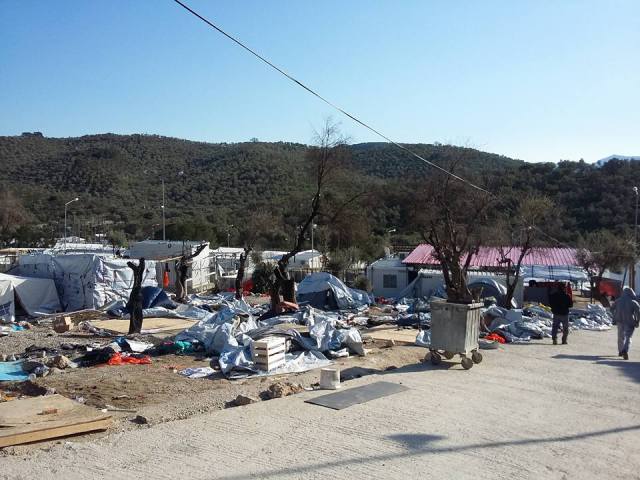
It was the day before Christmas, and I was at the entrance to Camp Moria on the Greek island Lesvos. Refugees milled around us, wrapped in coats, talking on cell phones.

My sister, working in the camp with her husband, had done the required paper work and could go in and out of the camp when she showed her ID on the lanyard she wore. I waited at the gate while she went in to talk with Butterfly, the Iranian friend she wanted to invite to cook a meal for us.

I stood outside the gate, my eyes taking in everything they could. I squinted as wind swirled the dust around us. A tall chain link fence with razor wire towered above us. I couldn’t be angry at the guard for refusing to let me enter because this place held hundreds of vulnerable people who needed protection, and even though the razor wire looked dehumanizing, it gave a semblance of safety for the ones inside.

I waited and watched. Bright sun. Clouds of dust. Cold air. Umpteen nationalities and ages. Then an African man stepped up to me and asked what I was doing and where I was from.

“I’m from America. I’m waiting on my sister. She works here.”

“Oh! You have come a long way! Why are you here?”

“I came for ten days to be with my sister for Christmas.”

In that moment, I felt the immense weight of injustice fall onto my shoulders. This man had probably risked his life to come here, and I got to jet in and out like any other pleasure-seeking, happy-go-lucky tourist. There was no justice between our stories. The man had every right to scowl at me and resent my privilege.

“Oh! You did a good thing. You must love your sister very much!”

“Yes, I do love her very much.”

I blinked in the sunlight as the man kept smiling, nodding his head and repeating his words. “You did a very good thing.”

His grace and joy crushes me. I don’t know why he was so happy for me. I don’t know why I got to travel in ease and go back to a steady job that automatically deposits money into my bank account.

There is no justice in this scene.

Scene 2

Several days later, I stood at the same chain-link gate again with my sister, and she asked the guard if I could come in for ten minutes.

“Only for ten minutes.”

So we walked fast.

She took me to the info tent, the hub of activity that EuroRelief organizes. In the portable cabin behind that, sealed off with chain link, I saw stacks of hats, coats, and gloves. I noticed white boards and diagrams and numbers that kept track of spaces and families. It looked like organized mayhem that does its best to give the barest basics to the neediest. I’m so proud of the men and women who pour their souls into this overwhelming, gritty, endless work.

We walked up the hill. Tinny Turkish music blared from a radio. Pieces of clothing stuck into the chain link to dry in the cold sunshine. A few sullen faces glared at each other and us. Are they angry? Let’s get out of here. Past the latrine. Past the fenced-in family compound where a friend stood to guard the door so no unauthorized person would come in. He must have been freezing and bored, but he grinned and waved at us.

Tents lined the gravel path, four or five deep. They were a mass of billowing, flimsy canvas, roped to any available stable surface.

Then the scene that seared itself onto my brain and replays itself endlessly: two hands reach out of a little tent, fumbling to pull in the thin layer of blankets that poke out onto the gravel. Fumble. Pull. Shake. Yank. Get the blankets in and the zipper closed. A pair of sandals lies outside the zipper because someone doesn’t want dirt in their tent. Someone sleeps on a very thin layer of blankets. The padding can’t possibly be warm enough or protect from the gravel underneath.

Ten minutes is up. We walk out of the dusty gate that has razor wire over it.

Reflection

All good stories have a conclusion but this one doesn’t. Greece broke me in a way that I’ve not recovered from. These scenes are still with me, over 2 years later. They part of the texture of my life of ethnic food, colorful people, and stimulating conversations. Are they also inciting incidents that will usher me to another chapter of service and care?

I don’t know.

I only know that it’s right for me to be thankful. Every night when I lie on my thick mattress and under my feather duvet, I don’t have enough words to say how grateful I am. And when sit in front of a fresh, colorful meal. And when I buzz down the interstate in my car or walk onto a plane.

I know that, after seeing all those flimsy tents and thin blankets, I should never again complain about living in a swampy area that has 6 months of winter. I also know it’s right to use my resources to nurture His kingdom that stretches all over the globe.

But I don’t know what that will look like.


photo credit, a refugee artist in Moria Camp: https://www.facebook.com/riadh04

This post was first written for Daughters of Promise, and was first posted on their beautiful blog.

Camp Moria, about the size of a large Walmart and its parking lot, was built as an army barracks to hold 1,500 people. Right now, about 7,000 people are crammed in it, with more arriving.