
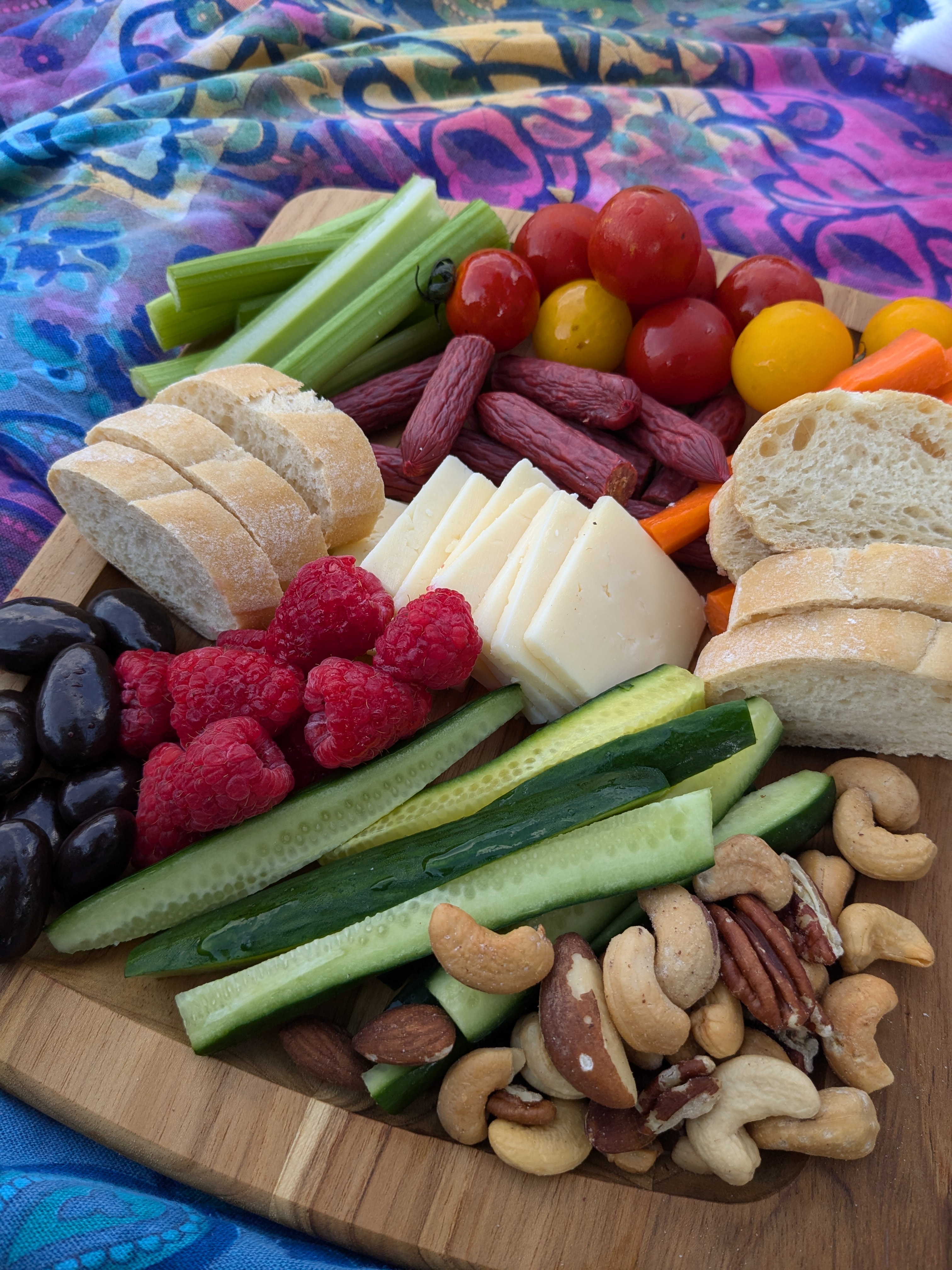

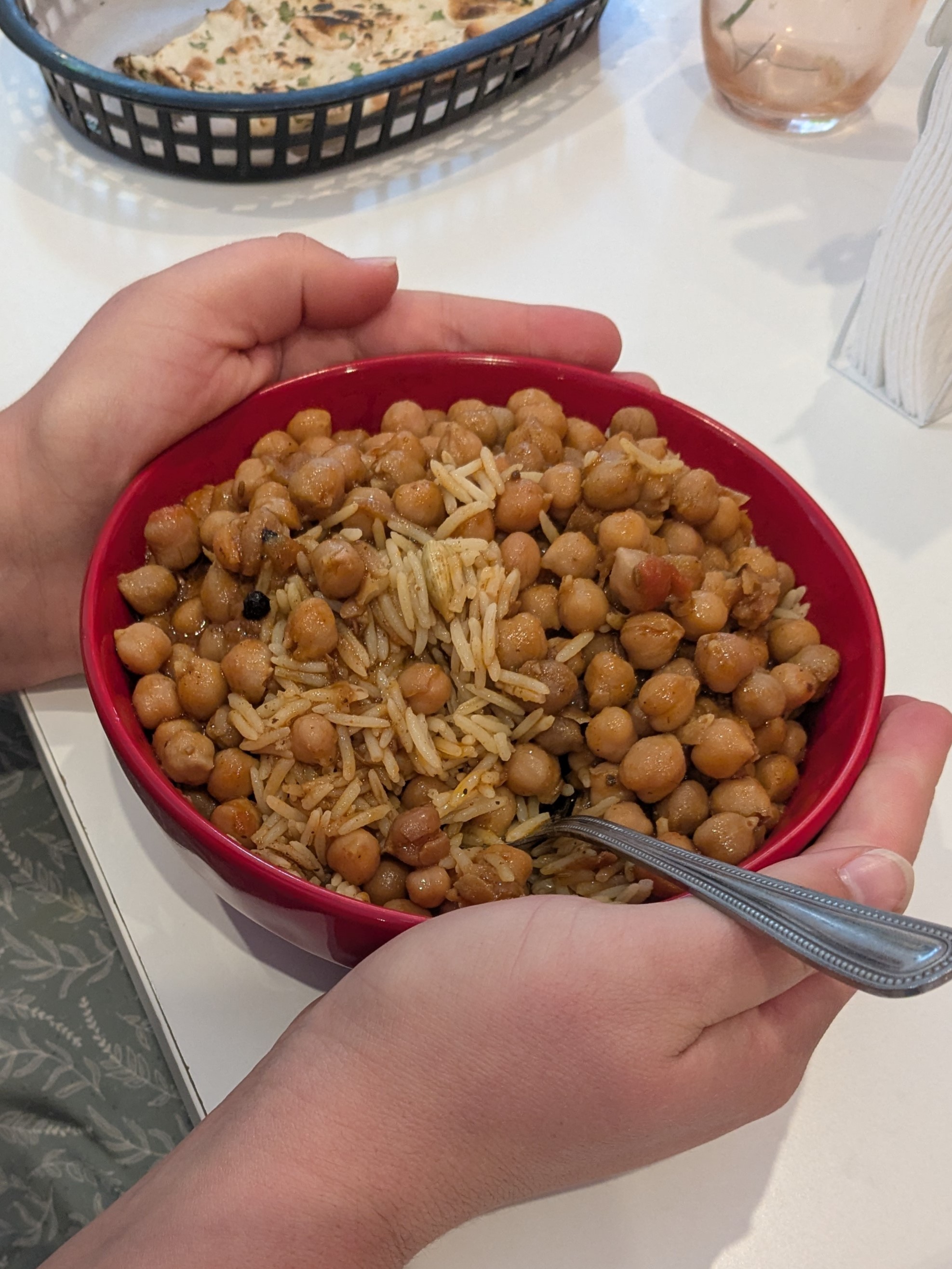
The Daughters of Promise team asked me to contribute an article for each of their magazine issues this year. The themes they assigned were too beautiful and exciting for me to refuse to write about even though I didn’t actually need three new projects with deadlines. This blog post is the article I wrote for their Celebration issue.
When you reflect on the top five high points of your life, those memories may include at least two people with you, special food, and beauty in the form of music, color, or friendship. You savored the food and laughed with your friends and didn’t rush away. Maybe you sang together afterward.
Were you celebrating a birthday? The end of a school year? A summer night in the mountains?
My top memories include birthday meals, receptions, picnics, pre-concert meals, and Sunday dinners. I see a food theme emerging here along with the celebration theme. Is it even possible to celebrate properly without food, I wonder?
Our Sunday dinners at home included scrumptious food, beautiful tablescapes, and usually, many, many guests. It was loads of work nearly every week to feed a small crowd—Mom worked the hardest—but the meal also gave us deep joy. We didn’t say it in these words, but we were celebrating a new week, relationships, and Sabbath rest. The celebration set us up for whatever the new week would bring.
These days, not all our lifestyles lend themselves to elaborate, festive Sunday dinners. Still, all of us should regularly find ways to celebrate in the company of friends. Celebrations in community make us better people because they help us do three things we would otherwise neglect:
- Remember
- Delight
- Connect
Humans are forgetful, and God knew it. The bodies He created remember better than the intellect does, and celebrations help to solidify those memories. In the Old Testament, He repeatedly asked His people to keep festivals and build altars to help them remember what He had done for them. He honored their bodies by giving them tactile, sensory ways to remember important parts of their story. Communion is another way we do this. Notice the food theme again. God must like food at celebrations!
However, celebrations of remembrance shouldn’t only be kept at church. We should remember and celebrate multiple gifts in multiple places! Birthdays provide a time to reflect on the past year, and birthday parties are a wonderful way to start the coming year. You could consider celebrating a birthday for at least a month, if not longer, because one day passes far too quickly to celebrate adequately. When I turned 50, I celebrated all year. I started a year ahead of time because why wait until an exact day to celebrate a milestone? I highly recommend this lengthy kind of celebration!
What experiences do you want to remember? When I broke my wrist several years ago, I was in pain and distress for weeks. At the end of that hard season, my wrist was functioning well and pain-free, and I wanted to celebrate. I made pavlova with chocolate filling and invited my friends to eat it with me. The memory still helps me remember God’s generosity in healing me.
The day you got your college acceptance letter? The completion of an extra hard project? The first day of spring? Inviting others to celebrate and enjoy all the senses of taste, touch, smell, sight, and hearing with you helps keep your memories close and your gratitude alive.
We are often too distracted to see what surrounds us. In addition to remembering important events, celebrating in community also slows us down and provides space for delight—to notice and celebrate. Delight, Ronald Rolheiser says, is “being spontaneously surprised by the goodness and beauty of living.” Spending time with children helps nurture delight, giving us reasons to laugh and not take our adult selves so seriously. How often do you stop with surprise at the goodness and beauty surrounding you? I recommend you find time for delight at least once every day. It will make you a better person, for sure.
Delight starts inside one person but its benefit increases when shared. I have the privilege of walking to work every morning. When I leave my house, I turn off whatever music or podcast I might have been listening to as I got ready for the day. I walk to work in silence, observing the colors, sounds, and textures around me. One day, a co-worker said to me, “I see you walking up the hill every morning and then you turn around to see the sky, and you worship.” I don’t know how he knew I was worshiping, because I wasn’t raising my hands or singing, but he was right! The delight of a grand sky and new colors every morning is a repeated surprise that starts my day right. Often, I take a picture of it and post it to share the joy.
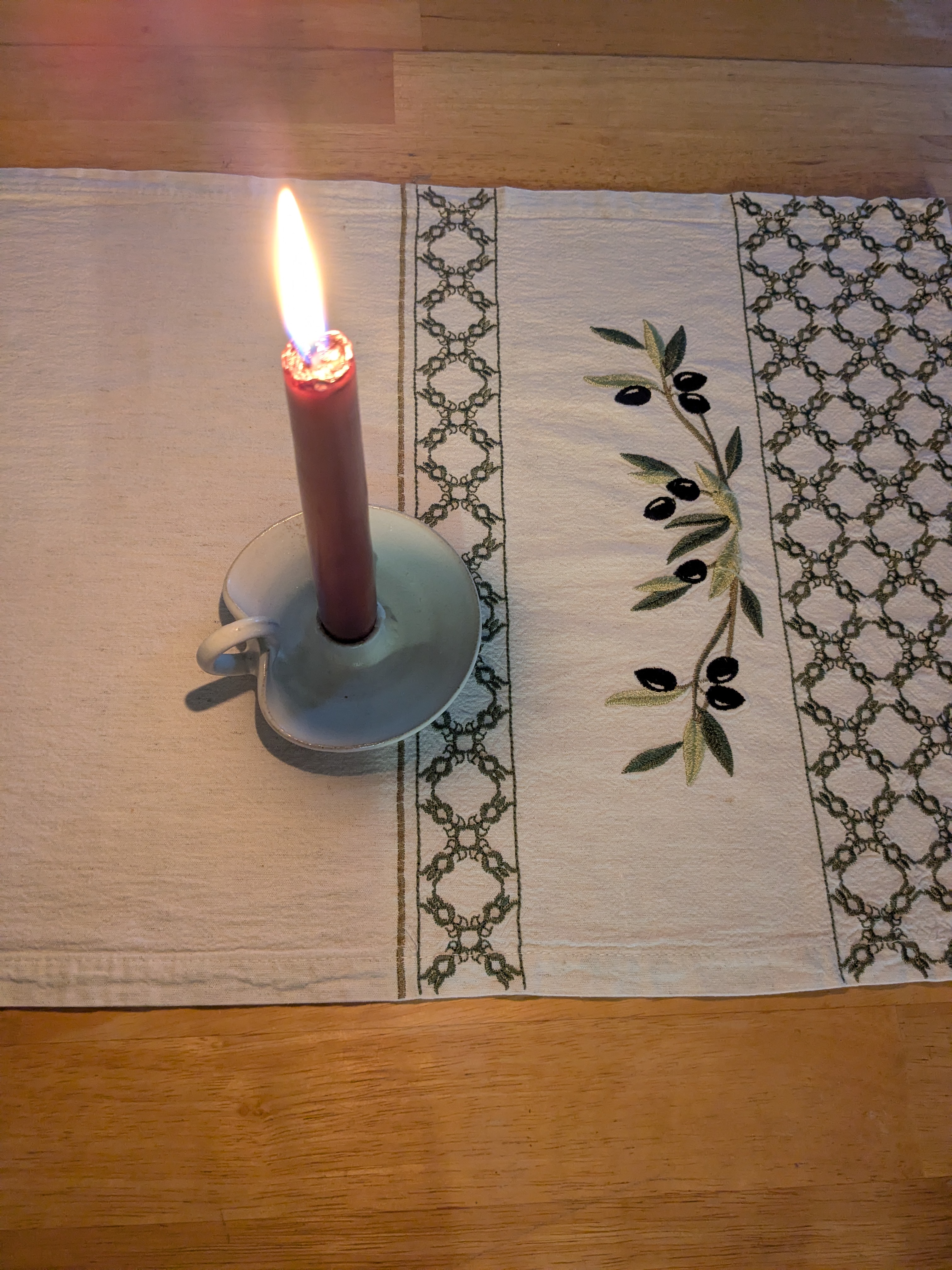
Here’s the good news: practicing delight can be a remarkably simple act. It doesn’t have to include sumptuous, creamy calories or Pinterest-perfect décor, or hand-made accessories from Etsy. Delight could mean lighting a candle at the family breakfast table. It can include sitting in silence and reveling in it. Would you see rabbits play with each other if you didn’t sit on your porch for five minutes? What if you’d invite a group of friends on a hike to watch the sunrise in silence?
So, keep it simple and unfussy but do find people and spaces to make delight tangible! When I first moved into my trailer, I didn’t have many things, but I had goblets from thrift stores, string lights, and mugs. I could serve all the tea and coffee I wanted. I could serve chocolate mousse in the goblets—or yogurt parfaits or kombucha. With string lights swooping up to the ceiling, it wasn’t the latest designer’s vibe, but it was easy and fun. I had simple food in simple objects with my people, which was all we needed for delightful gatherings.
Lastly, celebration in community connects us with each other. Isolation makes us smaller versions of ourselves. But gathering with people makes us more human and more in touch with God, ourselves, and the world. It’s how God designed us—even the introverts. There are times for fasting. There are times for solitude. Each of these disciplines is necessary and enriches our lives significantly—and so does celebrating with people.
A friend who is an only child taught me that everything is better when it’s shared, and she’s right. I love food. I could eat scrumptious food every day. But I live alone, and I eat very simply at home. Because of that intentional choice, I can look for reasons to make special food for people, or sometimes I ask a friend to join me in going out for ice cream or a soft pretzel. After all, everything is sweeter when it’s shared. This connects back to the idea of communion. Jesus didn’t tell His disciples they should remember His death with bread and wine when they were at home on their own.
All of us are more whole when we incorporate celebration into the fabric of our days. The best celebrations involve at least one of the five senses so that our bodies can retain the memories. And finally, celebration in community shows us surprising, enriching dimensions of God, His created world, and people. Without celebrating together, we would miss seeing these aspects of His heart.
Remember. Delight. Connect. These are gifts we treasure now, but they also have the ring of eternity about them. One long, beautiful day, we will celebrate a wedding feast. Knowing His creativity now, we know the food will taste beyond delectable. We will be utterly surprised and delighted with the beauty and wonder around us, and we will be thrilled to enter the companionship we were made for. Best of all, Jesus will be our host. Clearly, He also loves celebrations with food.
Other authors on celebration and feasting
The Supper of the Lamb, Robert Farror Capon. This theologian is also a chef and writes with wonder at God’s provision in food.
The Body Teaches the Soul, Justin Whitmel Earley. Chapter 3: “Eating and Drinking.” Earley explains fasting, feasting, and ordinary time, and offers life-giving ways to enter each—with community.
Every Moment Holy, Douglas McKelvey. Volume I: Liturgy for Feasting with Friends, page 112. Reading these lines together helps us push back the darkness and declare with a feast that “the resurrection of all things has already begun.”
The Lion, The Witch, and the Wardrobe, C. S. Lewis. Chapter 11: “Aslan is Nearer.” Lewis portrays the joy of Christmas breakfast after an interminable winter, but the witch perceives the feast as a threat to her reign.
Ideas for simple celebrations
- Make your celebration food together so that the food becomes the event.
- Invite a few friends and take a walk, hike, or ride bikes in a park or scenic area.
- Gather grasses, greens, and pinecones for a centerpiece at your picnic.
- Brainstorm non-calorie, no-money celebration ideas with friends.
- Play your favorite playlist or crowd-source your own live music.
- Instead of buying disposables, collect plenty of thrifted items to use generously and impractically, such as goblets at a picnic.
 Tis a Gift to Receive