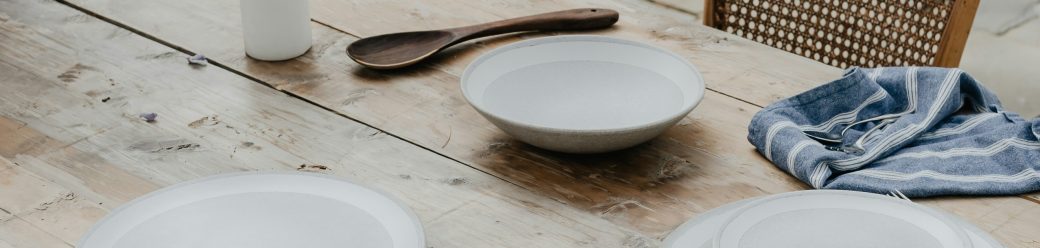
Fairy Rings and Circles

Photo by Mahad Aamir on Unsplash

I’ve been thinking about circles and the ways they provide spaces of beauty, nurture, and life.

Some of my most formative, life-giving, sacred memories happened when I was sitting around a circle. Not in straight rows, not one-on-one, but in a circle. There were camp chairs or blocks of wood, benches, or floor pillows so some people were sitting higher or lower but no one was outside the circle. Both men and women sat in the various circles, people of many ages and life experiences.

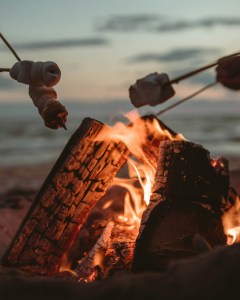
A physical object is usually in the center of the circle. We sit around Sunday lunch or a tray of nachos or a crackling fire or a coffee table with a candle and tea. The object in the center isn’t our sole focus, but it gives us a hub to gather around and something to watch if we feel twitchy and unable to meet someone’s eye.

A circle says everyone matters, every voice is valuable–even the voice that would otherwise stay quiet. No one can hide, and it’s safe enough that no one wants to hide. The circle includes, expands, takes in, listens, responds. In these spaces, there’s one conversation happening that everyone contributes to, not splattered clusters of discussions, although those also have value. The words I carry away with me often begin with:

What I hear you saying is….

Have you considered…?

What if…?

You need to know….

I never thought of…in that way.

I heard Jesus say…

I remember circles with gales of rollicking laughter that helped set my world right again. I remember deep questions with long silences. I remember thoughtful observations and poetry read. Food is always a nice feature, and tissues for tears are essential. I remember advice given to me that I could hand to someone else in turn. What’s spoken was usually simple but valuable because it was born out of experience.

To be clear: not all circles are life-changing. Sometimes the conversation is about the lettuce in the garden or the housing market or wall paint. I don’t love small talk, but I’ve learned to try hard to engage even there because it gives me data for conversations with those people in the future. Small talk is a window into what they care about and it establishes trust and safety. (Read The Six Conversations by Heather Holleman for more ideas and guidance about conversations.)

When you’re done with small talk, the real enjoyment and life-giving exchanges happen with good questions.

What have you been processing lately?

What’s big for you next week?

Are you happy?

What are your dreams for the next 10 years?

These are the kinds of questions that enable knowing and being known, a level of intimacy everyone hungers for. These questions went deep fast in the circles I’ve sat in recently. I love that circles are a recurring theme of my story. I blogged about it here before and probably will again.

You can choose a favorite question to keep in your back pocket for the next circle you encounter.

Laurence Koo, board member of Authentic Intimacy, teaches that humans were created for five levels of intimacy:

  1. intellectual (exchanging and pushing around on ideas)
  2. emotional (friendship, banter, camaraderie)
  3. spiritual (sharing what we know and learn and love about God)
  4. physical (hugs, sharing personal bubbles)
  5. sexual (one man and one woman in marriage)

People live whole, full lives without sexual intimacy (thousands have, over the centuries), but people cannot flourish without those first four levels of intimacy. However, when someone has vacancies in any of those first four aspects, they’re more vulnerable to sexual sin.

I’m an unmarried woman at 50 without a date. Multiple formal and informal circles provide those first four levels of intimacy for me, and I dream for everyone to have the same opportunity to flourish and develop.

But here’s the rub. Circles don’t usually show up at your fire ring uninvited. Only fairies and mushrooms do that. To engage in those facets of intimacy, you have to be intentional and risk and give up significant control and autonomy. To be part of a circle might mean you plan, invite, or host to make it happen instead of stay tidy and cozy at home.

You don’t usually just happen onto a circle. You choose to linger when it might be easier to leave an event early. You choose to engage when it would be easier to stay aloof. You choose to ask questions and be awake to who is around you and what they’re saying.

So start small and fun: a shared activity like a walk or work or art project or birthday to celebrate. Find a common interest like poetry or bird watching or thrifting. Start light and breezy, not heavy and ponderous.

Ask God to give you circles to be part of. It was His idea in the first place, that you thrive in community with other voices contributing to your life. He cares about the circles you sit in. I can trace His mysterious, light fingerprints in the way He arranges the circles I’ve been part of. It was clearly His arranging, not mine, but it was on me to be aligned with what He was up to.

Loneliness is an epidemic in the West, and loneliness doesn’t go away when someone gets married. That means everyone needs to find ways to live well in our common experience of being lonely, separate, other.

So let’s learn how to hold the weight of loneliness without crumpling. Let’s find places—circles—to offer companionship, understanding, presence that offers an antidote to crippling, suffocating loneliness.

This doesn’t mean that we should desperately chase after circles so that we’ll never be lonely again. In an ironic turn, I’ve found that when I’m most at peace in solitude, I am most ready to contribute and receive from the bounty of a circle.

Circles are gifts to receive, not rights to demand. But isn’t it good of God to give such lovely gifts?
Walking Beside Each Other

Photo by Rajat Verma on Unsplash

Last week, the lovely Daughters of Promise team asked me for a writer’s interview on Zoom. It was in connection with their Brighter Winter program, which gets participants into lots of books during January and February. I agreed to the interview even though I’d never done anything like it. In the moment, it was mostly enjoyable even though I don’t love being the focus in a virtual conversation. My hosts helped me feel comfortable, and seeing a few friends’ faces made the call enjoyable.

We talked about my book, the process of writing and self-publishing, and my goals for the book. My goal was—and is—for it to be a companionable voice on a lonely path. Then a question came that I wasn’t prepared for: what can the church do for singles to support them and recognize their gifts and contributions to the Kingdom and not make them feel left out?

I stumbled around, offering ideas off the top of my head, but I didn’t feel good about it. So I decided this space (ironically another virtual platform) might be a place to think longer about the question and possible answers. I’m thankful beyond words that in this current season I can put down these ideas from a place of abundance, gratitude, and fullness rather than resentment, scarcity, and envy. I wish all single women’s churches and work places would support them as mine do. I hear many single women’s stories, and this is not their reality.

  • We want to be known and seen as contributing citizens, not oddities, even in our pro-family sub-culture. So please meet our eyes. Notice our appearance. Ask us questions about our latest holiday or visit home or latest book or hopes for the new year.
  • Give us responsibilities in church that fit our lifestyle. Keep in mind that most of us are working 50-60 hour weeks, and we love our work, but we have very little discretionary time. At the end of a long work day, we still have to maintain the car, see the dentist, buy groceries, do laundry, and cook. Did I mention take care of the house or lawn or garden? And all solo? That doesn’t give much time for babysitting, making church bulletins, or hosting–even if those are all things we are able to do and enjoy doing when we find cracks of time in evenings and weekends.
  • We love meal invitations and leftovers. We love hosting too, but it takes a lot of planning ahead because if hosting involves food, we don’t always have food in the fridge.
  • Hug us freely and often. We live in an adult world and often go for days without physical touch.
  • In family-centered activities like meals and picnics, invite us to join your family. We don’t always know where to stand or who to sit beside, and it’s lonely to stand alone in a circle, and we never get used to that.
  • If you don’t know us well but you have a potential boyfriend in mind for us, stay quiet and pray. If you know us well and we’ve confided our dreams to you, set us up with good men. Ask us on a double date or a blind date. We know that marriage won’t solve all our problems so you don’t have to tell us that but we need you to celebrate your beautiful, strong marriages and darling children and we need you to love us where we are and hold hope for us.

I can already hear howls of protest from some singles who feel misrepresented in this list. What I put on the table here is true for some but not all single women. That means it’s on every person to get to know the single lady beside her and love her as a one-of-a-kind individual, not as a piece of demographic information.

Singleness is hard and marriage is hard. That’s what Sam Alberry says, and I believe him. That means that all of us need all of us to accompany each other in this beautiful, broken world, to smooth the path a little bit for each other, to be present and available and tender toward whoever is walking beside us.

What We Make Much Of

Women often tell me, “I don’t have anyone experienced I can talk to about this.” Or “I’d like to have a mentor, someone I can ask questions of and learn from, but I don’t know how to find one.”

I make at least two deductions from this common theme:

  1. Younger women need older women in their lives.
  2. Older women rarely advertise their willingness to walk beside younger women.

There are a million influencers out there and some of them contribute to some women’s anxiety, FOMO (fear of missing out), feeling inadequate about their house or their children or décor or skin care routine. (Notice the qualifier “some.” Influencers are good if they’re good influences. Obviously.)

But there’s little substitute for real-time, life-on-life connection that teaches, shapes, influences, mentors, shows a way through. You hear inflections in the voice. You see a flash fall over a face. You see a shrug in a throw-away comment. You feel a fingertip on your arm or shoulder. And it all adds up: the influence of an older person’s loves and driving motivation, which informs the younger’s definition of what is good and true and beautiful.

Not many women are going to walk up to someone younger and say “I really like you and I’d love to be your mentor.” That puts it on the younger ones to ask someone to be a mentor.

It also means that the older woman shouldn’t overthink it and feel she’s not a good enough influencer to be a mentor. Unless she has some glaring unrepentant sin, or she fritters her hours away on cat videos or women’s fashions, she’s able to mentor someone in some way.

A mentor, loosely defined, is someone who has more experience in some area of life than someone else and is able to communicate that experience. Mentoring isn’t a new idea. It’s been around for as long as people have wanted to learn informally from others who knew more about weaving or investing or baking or laying stone. The Biblical term for women mentors is simple: “the older teaching the younger.” I tell women to look for someone with gray hair because they’re usually the ones who have the stories to learn from. I can’t tell you how much I benefit from the gray haired ladies I talk to.

But let’s not get hung up on years or age. Let’s think about it more in terms of having more or less experience and more or less time given to a particular interest or cause or love. I know many ladies younger than me who teach me about relationships and life skills, and it’s a wonderful thing. I’m a better person because of what I learn from them. I’m healthiest when I’m in the middle of a spectrum: receiving from the more experienced, and giving to the less experienced.

I wonder how younger women can tap into the wealth of experience and observations of older women. For starters, it means connection, communication, an exchange of stories, ideas, and questions. Most of all, teaching the younger requires engaging the whole person, not just a slice of information that is inserted at choice times.

So how does one become a whole person, equipped to be a mentor and have a voice that deserves to be heard?

I’m privileged to work on a team where a two-year mentoring program is baked into the rhythms of our weeks. It’s a beautiful plan, and I love putting energy into it. But it’s only a program. Mentoring as a program is only as good as the individuals who facilitate it. And even so, it’s not a guarantee that mentees will become the people we or God dream for them to be, because none of us are robots, and all of us make more or less wise or foolish choices.

I’ve heard my pastor John say many times that helping people in matters of the soul is not conditional on having letters behind our names or reading certain books, but on how well we know Jesus. I think he’s absolutely right.

My pastor is writing a book on discipleship (the biblical term for mentoring or following Jesus) but before the book is published, he’s teaching a Sunday school class on the content, and it’s gold.

He began the study by saying “We don’t make enough of Jesus.” And I’m not that old or experienced, but I totally agree.

So it seems the best way to become the kind of woman who can influence wisely is to become a woman who loves Jesus more than she loves anything else. More than managing a designer house. More than curating a large Instagram following. More than pulling off a cute outfit. More than making a stunning loaf of sourdough–though all of those are valid in their place. Especially the sourdough!

I dream of women’s conversations that discuss what they love most. It might be a challenge to turn a conversation there after church or after a meal, but it could be a life-changing, life-giving conversation.

Mentoring and knowing Jesus is not about being noisy or profound. The woman who never says anything in Sunday school may be the woman who could tell you how she’s able to love her difficult husband well. The girl who makes fantastic sourdough may be the one who shares that bread with her neighbors and you never hear about it except to see the shine in her eyes.

To love Jesus supremely, He has to become part of the air we breath, not just time we spend sitting with him and coffee and a candle, though that’s important. Another way of thinking about this is: whatever we make much of will influence others.

Some ideas for starters:

  1. How about staying in only Matthew, Mark, Luke, and John for a month’s Bible reading? For a year? Reading them over and over, observing Jesus’ interactions with people, mulling over His words?
  2. How about praying aloud the Lord’s prayer every day? Every day for a month? Every day for a year? How might His words become our words? His goals become our goals?

I wonder. It would be a way to walk toward making much of Jesus.

These are not quick fixes or over-night changes, but ways we can open ourselves to grace, to God’s powerful, beautiful presence that restores, teaches, grows us. Time doesn’t heal all, and learning doesn’t change us. It’s God who heals and changes and grows us, and we, no matter our age, get to choose to join/cooperate/align with Him and His goals for us and for those we love.

That’s true, enduring influence, and we all need more of it.

Join me?

Summer Pieces

Well. It’s been summer of staying local, not buzzing away to see far-flung people. It’s been good, even though I’m feeling antsy. My summer priorities were to plug in where my feet are, and I have no regrets. But yes, I’m ready to go somewhere. Meanwhile, I’ll recommend bits and pieces that have fed me and kept me from getting bored and stagnant.

In the spring, I was telling a friend that I’m not going anywhere because I don’t have international travel plans this year. “Yeah, you’re not going anywhere. You’re just going to New York,” she joked. She had a point. “Going somewhere” is fairly subjective.

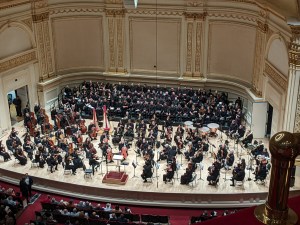
I went to Brooklyn for my summer break in June. Before I went, I was scared I’d be lonely, but in some mysterious alchemy, that didn’t happen until the very last day. The break in the city was everything I needed it to be: books, socializing, solitude, exploring, favorite haunts, new friends, a few ESL lessons. Next year year, I’ll turn 50, and I intend to celebrate all year, starting now, and I felt that a concert would be a good way to start. I dithered for days. Was it too much money? And who goes to a concert alone? But I got a ticket to listen to the Met Orchestra and Choir sing Brahm’s Ein deutsches Requiem at Carnegie Hall, and in the first 30 seconds, I knew this was the right decision. The music was exquisite and glorious, and I’ll always be glad I went. And it turns out lots of people go to concerts alone. Here is the recording that I listen to often, which is wonderful, but nothing like hearing it live.

Earlier in the year, I had the opportunity to be present for a talk that moved me so deeply that I’ve listened to the recording multiple times. Charles Cotherman spoke on Becoming Human. He suggested that efficiency doesn’t help us be more human, but close community does. And he said we can only serve God in the place where our feet are, a truism that hit me hard. He’s researched the story of Christian study centers such as L’Abri, where Christians formed communities centered around education, and he wrote about them in Thinking Christianly. After his talk, I told him how much I admired the Schaeffers’ work at L’Abri, but he reminded me that they had a work at a particular time and place, and our work in this time and place is going to look different.

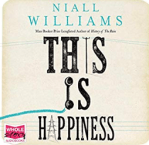
I listened to an audio book on Hoopla that had me grinning often and I still live in its aura. This is Happiness is set in Ireland in the 1950’s when the villages were “getting the electricity.” I’ve never enjoyed descriptions of rain so much. The narrator was Irish, which added to the nostalgia, and I was sorry when the story ended. However, the title and its meaning stays with me, and I hope it always will.

In a round-about, God-led way, I came across a podcast that was so gripping and beautiful, I gave it as a listening assignment to the women’s Sunday school class I’m teaching. We’re studying John, and this sermon, “I Am The Bread” by Tyler Stanton, fed me profoundly. It’s on Spotify here and on his church’s website here. I usually listen to books and podcasts at 1.3 or 1.4 times the normal speed, which helps keep me focused. But not this speaker! I also loved his sermon on Theology of the Body. And I’m reading his book Praying Like Monks, Living Like Fools, which is solid and convicting.

Another book I just finished is Holy Unhappiness by Amanda Held Opelt. I really agree with her premise: that the prosperity gospel has seeped into our theology and made us feel more entitled than we realize. Her insights about satisfaction in marriage and work seem sound and realistic, which was refreshing, and made me wish I’d read this a long time ago. However, I felt very disturbed at her personal story of medical crisis and how God miraculously healed her after four days. I don’t want to minimize her trauma and suffering, but really? Four days? It felt dismissive of anyone who has wept and suffered and begged God for healing for months and years. I struggled to take her seriously after that, and I need to discuss the book’s message with someone else who’s read it.

This summer, besides good things to listen to and read, there have also been guests hosted and mini celebrations, simple and happy and not overwhelming to plan and carry out.

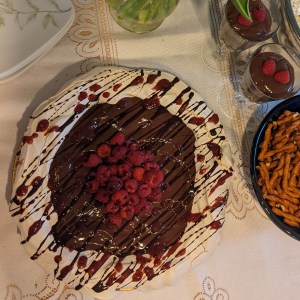
I hosted a small party to celebrate my healed wrist, and it included pavolova with chocolate and raspberries, which always makes the angels sing.

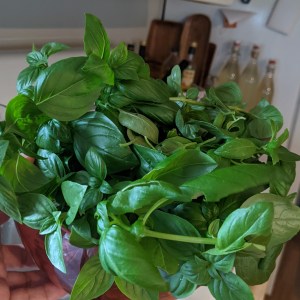
There was fresh basil to make pesto for a tomato salad at our book club’s picnic.

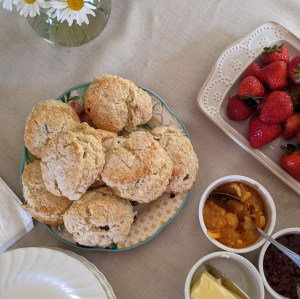
There were scones to celebrate one friend’s birthday,

and Strawberry Brita cake for another friend’s birthday.

There has been Bible study at jail to prep and lead, and exquisite moments with those strong, brave women in hard places. There have been beautiful choirs that made me cry and worship. There have been meaningful lunch conversations and prayers and Literature Camp with more beautiful conversations and friends. There was an evening of solitude by Lake Erie where I made a piece of art with stones and sand as an act of slowing down and talking with God.

I’m still glad that Guys Mills has roads leading out of it. My feet are still itchy and probably always will be, but it’s been a good summer of serving where my feet are.

Practicing Prayer

Last Saturday, one friend prayed for me over a Whatsapp call, and another sent me these gorgeous flowers. I am moved to consider how I can follow the Spirit in turn. This weekend, we celebrate Pentecost. I love to think about the feminine qualities of the Holy Spirit, how He broods, hovers, nurtures–and infuses with incredible power. I wonder how living with the Spirit’s flame resting on us could be seen in us, in me.

I’d only talked with her once, last fall, over breakfast,

Between catching bites falling off her little girls’ spoons.

On Saturday, over the phone,

Our second conversation,

She was as vivacious as I’d remembered,

As thoughtful and generous

As we planned how we’ll plan

Our time together next month.

At the end of our 22 minutes,

She asked if she could pray for me now.

She’s the missionary, the busy mom,

She’s the one who needs care and support

But she prayed for me, and my day was better by her words.

That was Saturday.

Today is Tuesday, and twice

Since then, in conversations, I felt a nudge

To pray right then for the friend beside me.

Shoulder to shoulder,

Weakness beside weakness,

I got to talk to God on a dear one’s behalf,

To beg for His strength in fragility,

Wisdom in questions,

And declare my handing them into

His great care.

I love them dearly but can never save

Or give what they need most.

But I can hold them and remind them

Of what is truest and best in this

Awful, wondrous universe.

Prayer is a surprise at the end of a Whatsapp call,

An innervating string of words,

An example to follow,

A gift to speak at the Spirit’s nudge.

He hovers over us

With white wings that shade and comfort

As prayer gives wings to words

For each to fly.

A Benediction for Your Weekend

Because I believe that Christians should be people of benediction (bene: good + diction: speaking) here’s one for your weekend. I hope to be dropping benedictions here and there (blog, social media, cards) the next while.

May sweet, glad birdsong surprise you on your walks. May golden light highlight greens and whites, and if golden light isn’t happening today, may it fall on you sometime this week. May you eat enough fluffy carbs to make your soul happy, and enough protein to make your brain strong.

May your bones not break, and if they do, may you receive so much support and care that it makes you cry. May your grey hair stay well camouflaged, and if they spiral out in odd angles, may you remember all the goodness that brought you to this good age. May you take time for at least two naps.

May your heroes be people who love God supremely, love you like Jesus, and make you a better person. May the skin tones you see and the languages you hear give you a sneak peak of our eternal home and the wedding feast that will never end.


Are You a Theologian?

My friends and I used to amuse ourselves by inventing cutesy, cringy names for women’s devotionals:

  • Coffee Time with God
  • Puppy Snuggles with God
  • Tea Cups and Promises

Our amusement came from what we saw as fluffy women’s devotionals that were packaged to make the content as winsome and inviting as possible, and we had no time for it.

I still don’t.

Observation 1: The devotional guides I’ve seen for women have disappointed me by being consumer-driven, comfy platitudes that try to make readers feel better. If you’re partial to a book or writer, and if you’ve found life in that content, I’m happy for you. There are some good writers out there but exceptional women’s devotional guides are rare.

Observation 2: Women need life-giving, rich input from God in order to fill their responsibilities well. I look at moms and the ways they see after their children, household, and neighbors with deep love, wisdom, and skills, and I think “How does she does she do it? She’s heroic!” Singles have other ways in which they give and feel depleted, but we all need so much more goodness and light than we can produce on our own.

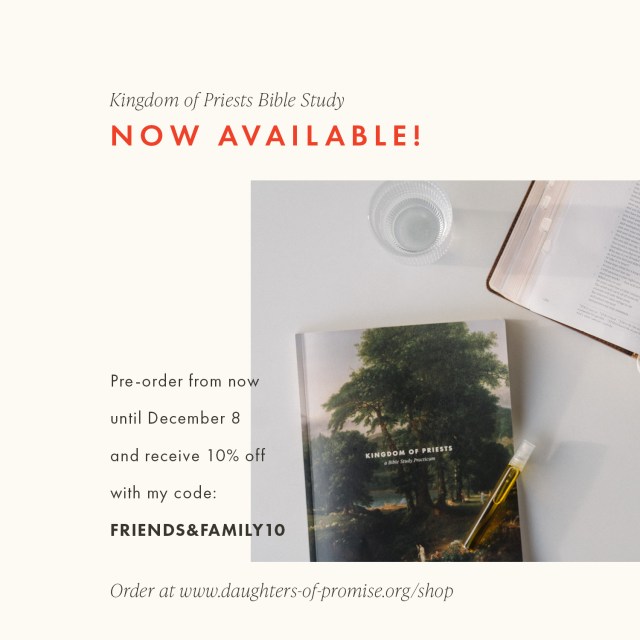
This why I’m SO excited about the new Bible study guide, Kingdom of Priests! And until December 8, you can use a discount code to pre-order it: FRIENDS&FAMILY10. Run and get it for yourself and your friends, your small group, your neighbors. This is a meaty, serious, solid guide that you can take with you and be fed. A bonus for me is that my good friend Kristi wrote it, so I loved hearing her voice in it!

As a pilot tester, I got to do five of the ten lessons in the book. I loved the scope of the study, and how it explores the theme of priests from Genesis to Revelation. For years, I’ve been been thinking about the theme of temple—the places where we meet God—so studying priests fit perfectly into my line of interest.

The last few weeks, I began each day doing part of a lesson, and later, in the cracks of the day, my brain was pinging with ideas and words and concepts about priests and temples, the ways God shows His glory, the ways fallible humans represent God to their world. How does He trust us with so much! I kept thinking how much dignity and worth this calling of priesthood gives every person, how much responsibility women carry to represent God well regardless of their life calling.

In addition to probing the specific subject of priesthood, each chapter/lesson introduces a tool or a lens for exploring any Scripture passage. This gives readers ways to study themes and passages of their interest, ways to teach Sunday school, and methods to study or lead Bible studies.

Probably the biggest weakness with women’s Bible studies is that we rush from the text to ourselves. We think “What’s in it for me? How does this speak to my situation?” I think that’s why those cutesy titles are wrong: they serve the reader who loves coffee or puppies instead of calling the reader to serve the text and its intentions.

Instead, we need to come to Scripture asking “Where is God here, and how is He revealing Himself? What is the author’s intent? How can I align my life with the ways God reveals His heart in His story?”

Imagine the results if women would sit in circles to explore these questions instead of talking about recipes and décor and gardening—all worthy topics in their places—but let’s not give ourselves a pass from studying Scripture, shrug, and say we’re not theologians or leaders. We ARE theologians—priests—in all the ways and places that we represent God to our world.

He doesn’t require us to be perfect, silver-tongued teachers, but shouldn’t we aim to be the best representatives of God we can be?

The Most Important Thing

Photo by T. Kaiser on Unsplash

Back in December, I spent two weeks volunteering with ARC in Wisconsin. I went with a teen girl from church, but didn’t know any of the 20+ other volunteers when we got there.

At the end of the first week, we were in the food line at Sunday dinner and apparently some of them had been talking about me because one of the girls said, “Anita, I’ve been with you this whole week and I didn’t know you wrote a book!”

Her surprise amused me, and I shrugged. “Well, it’s not the most important thing about me.”

She didn’t miss a beat. “So what IS the most important thing about you?”

I was spooning gravy onto meat as she posed this question of shattering, earth-shaking import. We don’t plan these things. We can’t anticipate all the wonderful, unpredictable questions and conversations that pop out of nowhere and lead us to new discoveries.

“Hmmmm. The most important thing about me,” I slowly restated her question, “Is that Jesus loves me.”

It was a Sunday school answer, but I knew in the deepest part of me that this was the highest, widest, most wonderful reality about me.

Saying that wonder out loud—being asked to say it out loud—was an enormous gift my new friend gave me.

We women are too good at comparing ourselves with others. Depending on the day or the mood or the neighbor at hand, we give in to believing lies about our incompetency and superiority.

And it makes us shriveled and wrinkled and ugly. (Some wrinkles come with years, but that’s another subject.)

Inferiority and pride make us touchy and snippy and territorial and does nothing for us.

Have you noticed how a bride glows? She may or may not have the prettiest face, but her eyes and her smile tell us she knows she’s chosen and loved, and she isn’t crippled with needing anyone’s approval except her groom. 

Brides glow because they know they’re loved. Have you seen how love is a wonderful beautifier?

I wish we wouldn’t think “Jesus Loves Me” is a children’s song. I wonder what would happen if we would sing it every Sunday, all together, loud, as if we mean it and are over the moon excited about it. 

The most important thing about us has never been how much work we get done, or how little money we have. Or the way we do or don’t stay up to date with clothes and décor and hobbies and child training and world news.

When comparison stops, the game is over. The important thing stays the most important thing and nothing else matters.

The most important thing about me is not which of my spiritual gifts people see, or how much I’ve been hurt. The most important thing about me is that I get to be one of billions of people that Jesus loves wide and deep and long. If I could see Him, I would see the glint in His eye and I would see that He likes me—and not just me, but all of us—regardless of how cool or uncool anyone is, and that is the best, most important, glorious thing in the world.

Why I Read Novels

Last Saturday night, my friends at The Curator asked me to roundtable a discussion on Why I Read Novels. It was a fun thing to think about and organize some of my scattered, simple thoughts about it. Here are some of the ideas I put out there.

Kafka said, “We ought to read only books that stab or wound us. A book must be an ax for the frozen sea within us.”

Well. I agree that books can uncover what’s inside us, but I don’t read books to be stabbed or wounded.

On the other hand, Flannery O’Connor said, “People without hope not only don’t write novels, but what is more to the point, they don’t read them. They don’t take long looks at anything, because they lack courage. The way to despair is to refuse to have any kind of experience, and the novel, of course, is a way to have experience.”

I agree with Flannery. Hope is a rare treasure these days, and reading and writing can be acts of defying cynicism and despair, because words can declare truth and light beyond the present.

In The Pleasures of Reading in an Age of Distraction, Alan Jacobs writes, “It should be normal for us to read what we want to read, to read what we truly enjoy reading.” He expects, of course, that we want to read what is true, good, and beautiful.

Why I Read Novels

  • For pleasure and whim, as Alan Jacob’s book encourages.
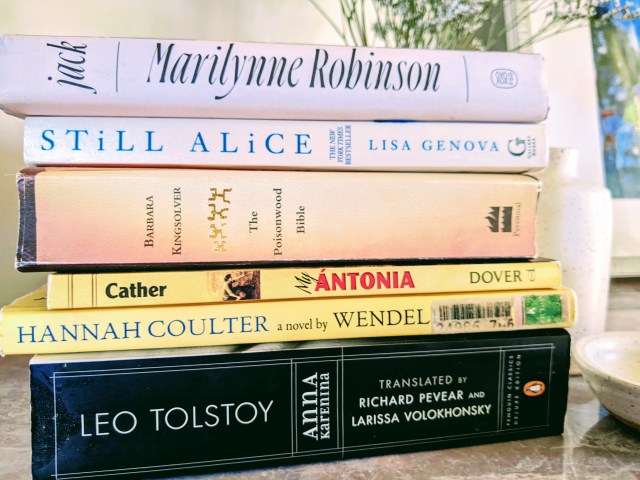
    • The Guernsey Literary and Potato Peel Pie Society,  Mary Ann Shaffer and Annie Barrows
    • Hannah Coulter, Wendell Berry
    • My Antonia, Willa Cather
  • For curiosity and vicarious experience. I read a lot of memoir and biography for the same reasons.
    • Transcendent Kingdom, Yaa Gyasi
    • We Are Completely Beside Ourselves, Karen Joy Fowler
    • A Gentleman in Moscow, Amor Towles
    • A Father’s Tale, Michael O’Brien
    • The Secret Life of Bees, Sue Monk Kidd
    • Still Alice, Lisa Genova
  • Because I like the author’s voice and skill with words
    • Les Miserables, Victor Hugo
    • Island of the World, Michael O’Brien
    • Anna Karenina, Leo Tolstoy
    • Gilead, Lila, Home, Jack, a series by Marilyn Robinson
  • They help me understand the marginalized and characters I don’t usually cross paths with.
    • The Poisonwood Bible, Barbara Kingsolver
    • Eleanor Oliphant is Completely Fine, Gail Honeyman
    • A Man Called Ove, Britt Marie was Here, both by Fredrik Backman
  • Novels give words for a common experience and understanding, such as eating the fruit in Perelandra or when the children shook snow off their boots and coats in the Narnian beavers’ house.
  • Novels give shape and color to important values and ways of living.
    • Strangers and Sojourners, Michael O’Brien
    • The Shepherd’s Castle, The Baronette’s Song, The Fisherman’s Lady, The Curate’s Awakening, George MacDonald
    • The Dean’s Watch, Green Dolphin Street, Elizabeth Goudge

How I Read Novels

Books are for seasons. I tried four times to read Gilead, and gave up. It moves very slowly, like all of Marilyn Robinson, and never suited me, until, in the right season, my mind slowed down enough to savor the message, and I could take it in and love it. To read the emotionally grueling but deeply impactful Island of the World, I need to be in the right season, which probably happens roughly once every ten years. (I also felt like I needed a support group as I read.) If everyone around me enjoys a novel but I don’t, this might not be the season for it. (Except for WWII novels, which have no viable season for me.)

My friend Marlene introduced me to the idea of  “cluster reading” which I aspire to, and have only briefly dabbled in, and would love to do more. Read several books around one theme or time period from various perspectives. Last year my cluster reading was:

  • A Gentleman in Moscow
  • Agent Sonya (a biography)
  • The Brothers Karamazov (which I didn’t finish–yet)

Another idea for cluster reading could be:

  • The Chronicles of Narnia
  • The Narnian (a biography)

How I Find Novels

Goodreads keeps my reading life organized, lets me see what friends are reading and what they’re saying about them. I write a review of most of the books I read, and friends can see what I put out there. I shelve books on To Be Read, Read, and Currently Reading. When someone recommends a book, I put it on my To Read list and don’t have to keep a mental list. I LOVE Goodreads! It’s an old app, loads slowly, and isn’t super user-friendly, but I still like it.

I get newsletters from my favorite contemporary Christian writers like Philip Yancey, Jen Pollock Michel, and Lore Ferguson Wilbert. Good writers are good readers, and when they recommend books that they’re reading, I listen up. I also watch what Christianity Today  says about the newest titles coming out.

I don’t know how many disclaimers I should make here. We all know there’s a lot of rubbish out there, and novels get a bad rap for being sensuous and escapist, because many are that. I try hard to not read any books I wouldn’t want to recommend to friends. There are too many good books out there to waste time on less than great stories.

Story is a powerful form of communication that can set a reader’s compass and turn them to a positive direction. Jesus must have thought so too. Reading a good novel is a way to engage in hope, declaring that today’s devastation is not the only reality and there good things to reach for. Truth, goodness, and beauty will always have the last word. Because of this, I believe good stories will change the world.

Feasting

Photo by Oksana Melnychuk on Unsplash

Linens, candles, clink of cutlery and pottery

Paint an impression of uncounted sweet,

Friendly, nostalgic feasts

Around tables.


Winks, questions, stories, guffaws, songs

Stay with me much longer

Than pasta, mousse, exquisite blends

Of textures and vibrant flavors.


Welcomes, farewells, celebrations

Circled around platters, friends, neighbors,  strangers,

Centered for one thin slice of time

Then scattered.


The guests and palates changed

At every year and table,

Warming, filling, nourishing me still

At tonight’s solitary soup.