Farther Along

calendar-305650_640

It’ll be hard, they said.

Give yourself at least a year to adjust, they said.

So I gave myself a year, and July 1 marked the day, and most days since then, I’m not sure that a year did any good in helping to adjust. I’m still fragile enough that tears are usually simmering just under the surface, and I would happily board a plane tonight to go back to Poland. 

oh.

That strike-through option shows me that a year does something more than I’ve realized. I couldn’t freely board a plane to leave because it would mean tearing up the little burrow I call home and leaving work I’m coming to love and people who have come to mean a great deal to me.

But if I’d have known how harrowing the year was going to be, I’m pretty sure I’d never have had the courage to start.

“There is always something to miss, no matter where you are.” That’s what Sarah, plain and tall, said. Her words have helped keep me from feeling completely insane in this crazy mix of being happy and sad in the same second.

I miss simple, flavorful European food without sauces that disguise whatever it is. I miss living in town and walking wherever I want to go. I resent needing to drive everywhere. I miss taking the train or bus to the next town or across the country. I miss elegance and stately city designs. But I love how easy it is to drive away for the weekend, and how stores are air-conditioned and how customer service agents laugh with me on the phone.

I always hesitate when writing the date–is it month or day first?–and I feel like a deviant either way I write it. I push down the anger when people talk so LOUDLY in public places because it feels terribly invasive and indecent to me. I shudder at the shocking amounts of artificial coloring in food. I’m agog at how effortlessly church fellowship dinners appear and I did nothing to contribute. I still hate answering the glib question about where I’m from. I still feel like a foreigner, an oddity.

But I know my address by heart now, and that feels like a huge accomplishment. I have a PA driver’s license and a local library card. I know my way around town without a GPS. I walk around campus with this incredibly rested, relaxed spirit, singing, instead of feeling the tight, nervous, nameless fear of a year ago. And most delightfully, there are people with whom I share inside jokes and confidences, and I didn’t even know them a year ago.

hmmmm.   Maybe a year makes a bigger difference than I thought.

Maybe I’ll always feel like an oddity. Maybe it’s deeper than feeling European and a “returned missionary.” Maybe it’s part of the human condition, which is why I talk about it here. I’m not that eager to dump my feelings on the internet, but maybe someone else feels like a forever transplant. Maybe another human out there feels odd and mixed up. I’ve met more of those this year than I ever knew existed. We’re a weird bunch, puzzled and dazed and mystified at how it’s possible to function in this world while feeling very attached to another place.

There may not be compensation for the losses sustained in our fragmented hearts, but I’m slowly, slowly coming to see that what’s behind us gives us more to go forward with. It’s possible there’s a largeness of soul gained from our experiences that gives us something more to offer our world than we could have otherwise.

These ideas are just tentative. Maybe in another year I’ll know more about it.
Save

Taste and See

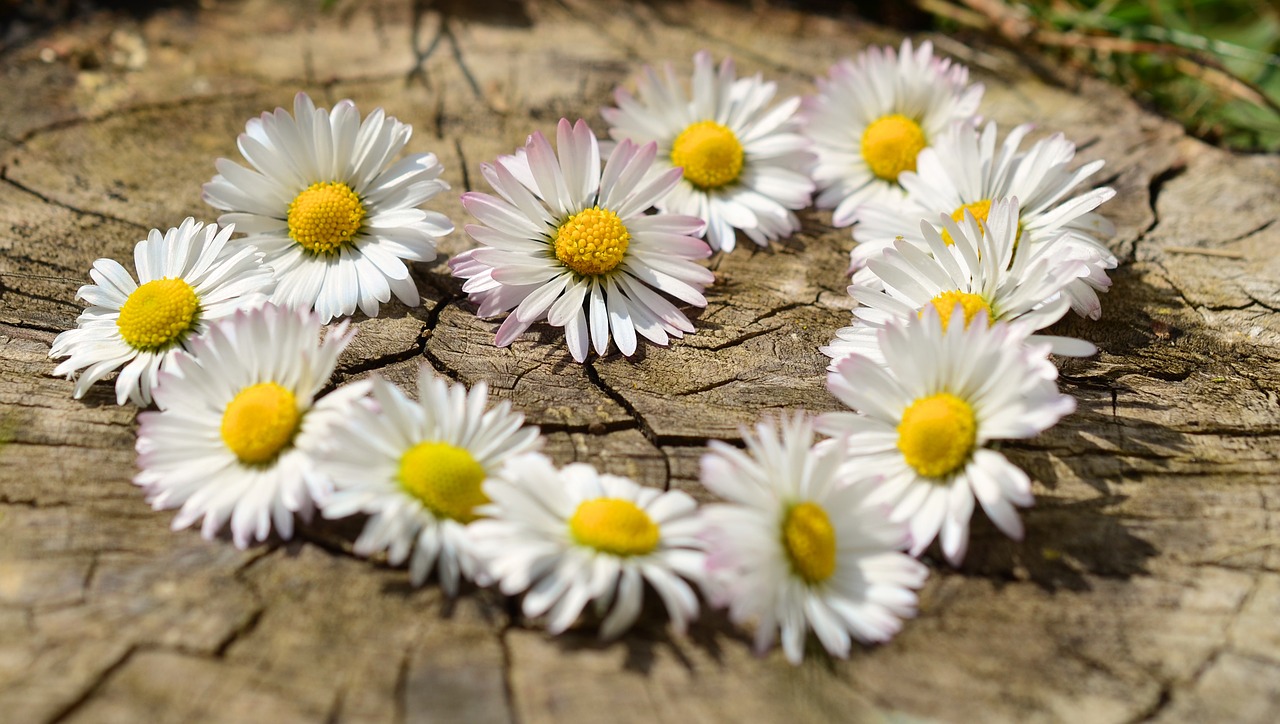
daisy-712898_1280We were getting ready to practice the opening song for our friends’ wedding. It was composed for Queen Elizabeth’s coronation, a sweet, simple melody: “O taste and see how gracious the Lord is. Blessed is the man that trusteth in Him.” You can listen to one version here.

Before we started, our director told us to get out our pencils and write across the top of our sheet music: Taste the graciousness. My cousin sang the soprano solo, soaring way up there so high, I don’t know how she does it. The song was over way too soon to suit me, but I keep mulling the words. Taste the graciousness. Blessed, trusteth, Him.

You could say Taste His grace but I like graciousness because it means the focus is on God’s essence more than on what He does or gives. I think about what it means to taste, and I want to it be the shape of my life–to savor, enjoy, affirm the goodness. This is not automatic behavior for someone like me who complains quickly and is constantly bumping into the reality of living on this side of Eden. Things are not as they should be, BUT GRACIOUSNESS IS ALL AROUND US! It takes my breath away. We should all stop and stare at the wonder of it all. The telling of it is like counting the pearls on a string or drops of dew on a blade of grass or tear drops on a cheek.

The billows of wildflowers lining the roads.

Laughter with a child.

Phrases of songs that replay themselves in my head, healing and comforting.

Simple food with a friend.

I wondered a little why David wrote that verse with the two phrases that don’t seem to have much connection with each other. “Oh taste and see that the Lord is good. Blessed is the man that trusteth in Him.” What does tasting have to do with trusting?

Then I remembered how Larry Crabb wrote in Inside Out: “Desire much and pray for much but demand nothing. To trust God is to demand nothing.” Tasting is savoring, keeping an open, soft heart, not demanding.

Picking a few daisies, not taking an armful.

Laughing with friends, not insisting on always laughing.

Savoring musical moments, not demanding a concert every week. Or a feast every day.

To taste and acknowledge the graciousness means trusting God for the places that still ache. To affirm the good things and trust God with the lacks and empty spaces and fractures, demanding nothing.

Those are high words to reach for, but I want it written across the top of my life: taste the graciousness!

honey-954602_1280

Save

The Water is Wide

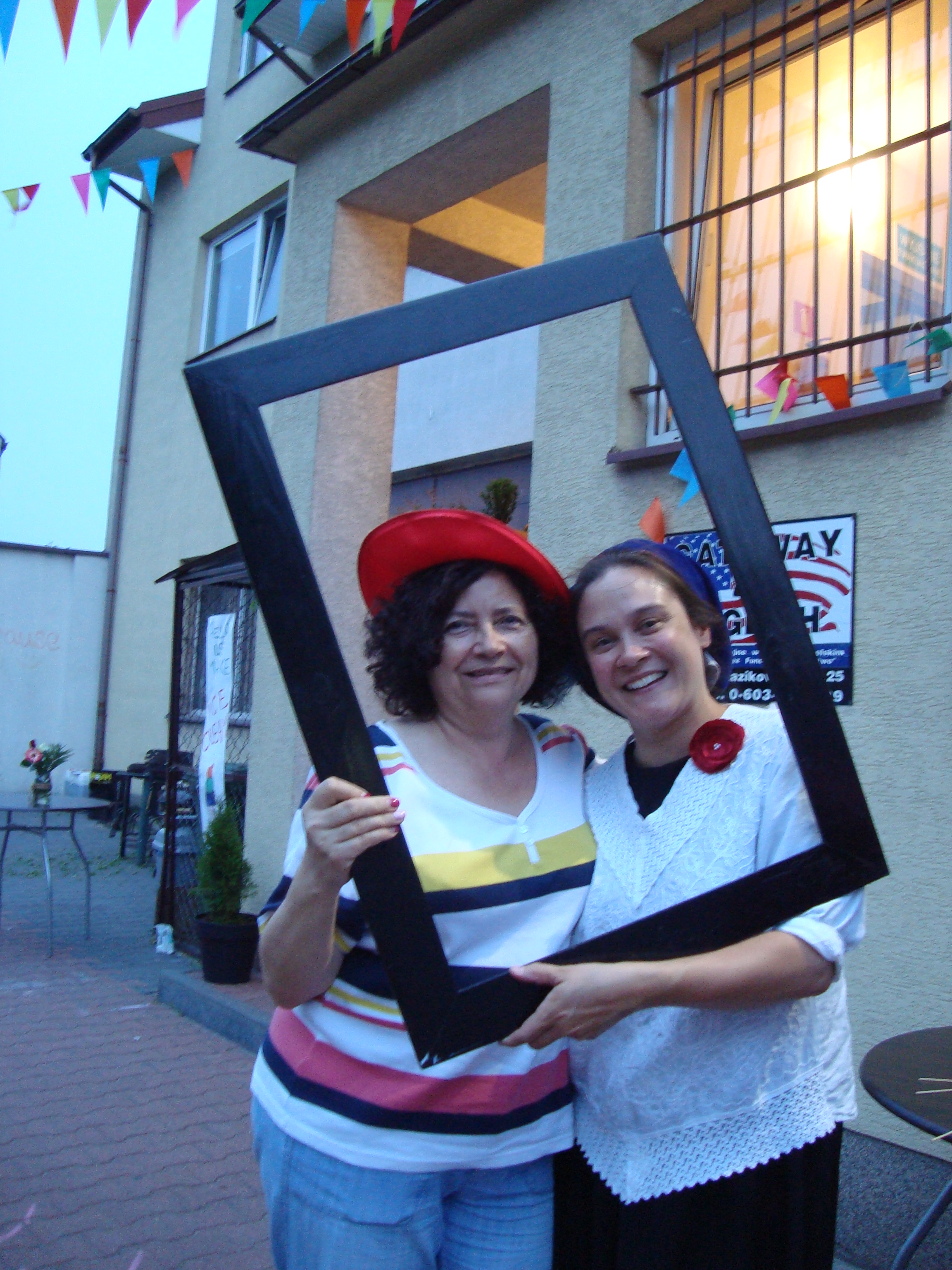
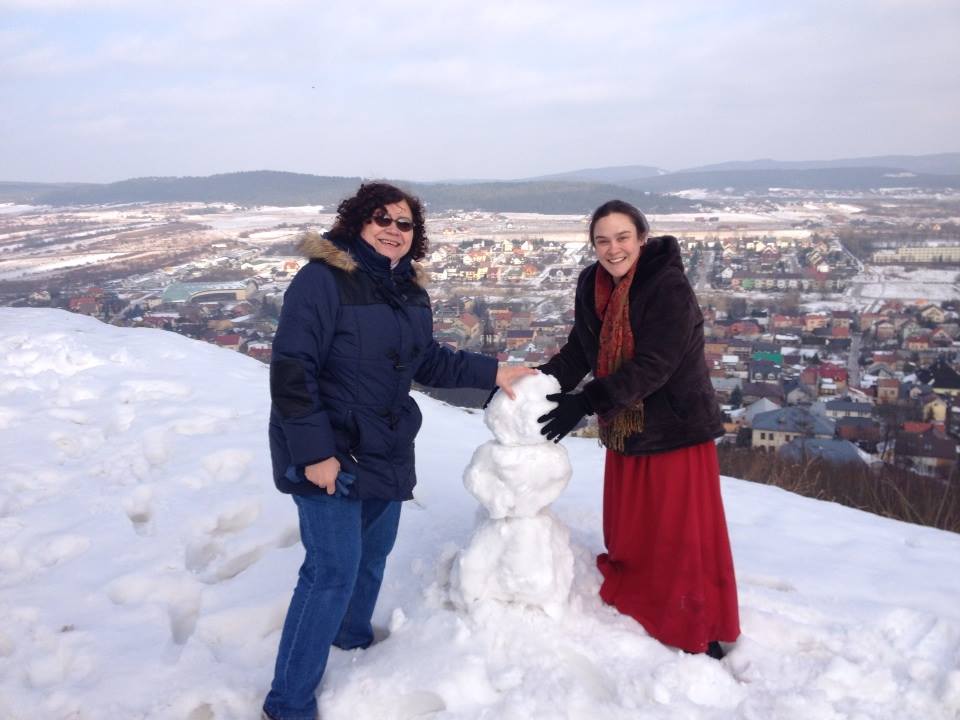
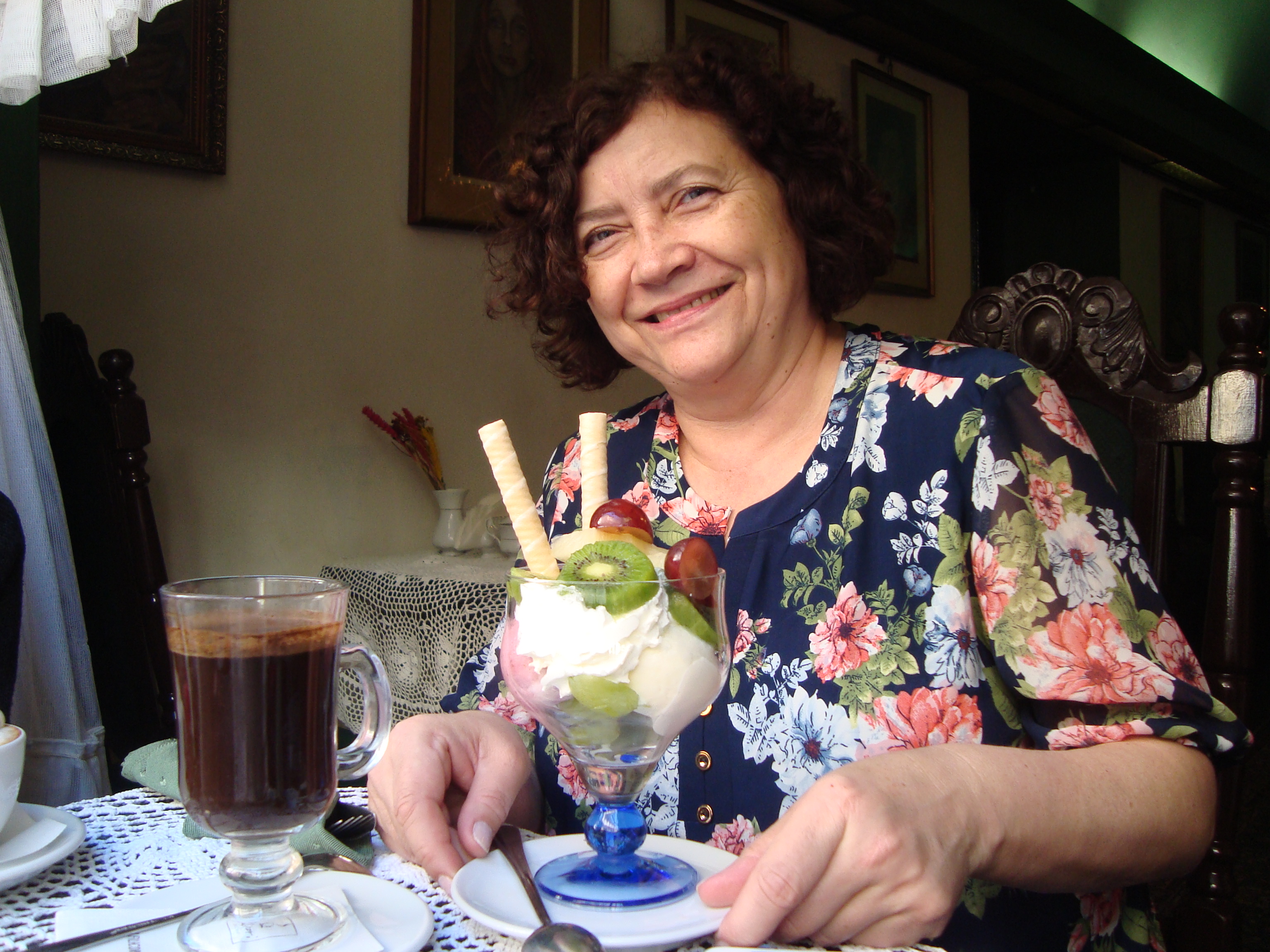
I call her my Polish mom, though she said she’s more like my big sister. She’s a grandma and has lived lots of life, so that’s why she’s like a mom figure to me. The drama and the dreams she comes up with are like no other, and forces to be reckoned with. By her own admission, she has ADHD, and it’s a standing joke and explanation for how crazy and boisterous it gets when she’s around.

DSC07629

But she’s not just loud and wild. She cries and hurts and agonizes. What’s more, she hurts with other people’s pain. She has this enormous heart that she spreads over me and those in her world. I don’t have to say anything (and often I can’t because we don’t speak the same national language) and she knows what’s going on inside me. Is that because my eyes reveal so much or because she’s so incredibly perceptive? Probably some of both. Very often, she would ask how I am, and I couldn’t wiggle out of the direct question, so I’d be honest, and she’d say she knew it already. Then she’d cry with me and tell me it’s going to be ok.

It was an experience that’s hard to describe–how two verbose women who didn’t share the same language could talk or be silent and still understand each other. Tears and laughter are their own language. And God’s Spirit in both women is a perfect translator.

10174777_10204710920046087_7799425207156603660_n

We talked food and people and traveling and teaching. Having taught school for decades, she’s a master at handling children and teenagers, and winning their hearts. Her big heart wraps around them and they cannot stay untouched.  She asked me to be her English teacher, and it was delightful.  I especially loved how she praised me to the skies for my teaching ability even though she constantly lapsed into Polish and I couldn’t tell if I helped her English. I think the biggest benefit was just that our lessons were meetings of the heart, and probably that’s more beneficial than retaining language.

She knows heart break and the ravages of a devastating divorce. She knows ache and poverty and dreams that never come true. That’s why it’s so beautiful to see the power of Jesus’ transformation shining out of her. One of my favorite stories about her is here.

I left Poland last July 1, and she told me when she’d be at the school to tell me goodbye, but she never came. I was sorry, because I need closure. I don’t love pain, but not saying goodbye is worse than saying it. But clearly it was going to be too hard, and this was the easier route for her.

There is no right way to walk away from a vibrant, life-giving relationship. It’s impossible to cross an ocean, live among English-speaking people, and go on as if nothing happened.  My heart strings are still raw and dripping. Tears are always shimmering under the surface. Always. It’s different with my family even though they’re far away. They’ll always be family and we’ll always be in touch. Ela is FAR away, in another language, separate from anything here, involved in her own world, even though I know she’ll always love me.

DSC06499

Yesterday I Skyped her for the first time since the time we didn’t say goodbye. She’s the same Ela, full of smiles and exclamations and wild dreams, pouring out so much love. She read me, as always, and observed that I’m doing better than when I left. But she didn’t see the quaking, shattering in my heart that went on the rest of the day and made it hard to concentrate because her voice and grin kept coming back to me and yet were so far away.

Sometimes I hate the globe and limitations of space.

A Little Girl in a Red Dress

So one day, about last Friday, there was this girl who went on a cabin retreat with her fellow students. There were about twenty girls bunking in one room, and when this girl was sleepy and tucked up in her bunk in the corner, someone in the room asked her to tell a story. Because she was in a stupor of exhaustion, she told the story of her day in about three terse sentences, beginning with “Once there was a girl in a red dress,” then she said “Good night.”

This is a slightly expanded version of the story. Is it terse? It’s impressionistic, after the style of her favorite artist.

One day there was this girl who was sad about some things, so she decided to wear her red dress because that’s her happy color. She went to classes and listened to lectures and discussions about literature and teaching the Bible. She packed her bags for a two-night retreat and hated that it takes so much Stuff to be civilized for two days.

Then for a couple hours, she went with two people to the children’s section of the library in town to find books they might use for history curriculum writing.It was fun and informative and felt productive in the way that touching something feels like progress and reality. In other words,  paging through a book in your hands and running your finger over the illustrations feels much more productive than just reading customer reviews about it on Amazon.

Mid-afternoon, she found herself in a car with friends, and before she knew it, she was wading in Lake Erie and her red hem got comfortably wet, swirling around her. The water was clear and cold, and she wished she could go for a swim.

In the evening, she led a fantastic team that used finger paints to replicate Monet’s “Sunset in Venice” and she felt as if she was high on some kind of drug. The colors, combined with the tactile connection of fingers in paint, plus the camaraderie, soothed something deep in her that had been restless for a long time. When she watched the real sun set over the real lake, she reveled in those colors and knew that it would be completely impossible to mix  colors so vivid with either paints or pixels, so she let the image make its own lasting impression on her soul and thought of the sunset happening just beyond the horizon and remembered these words that always make her gasp:

We could have lived on a dark planet. And been told that there would be one sunset. And we’d have lined every west coast of every continent and every island on the planet. And as we saw the glory of that event and tears came to our eyes, we’d have written about it in our journals and regaled our progeny with the glory of that event. But what must God be like, that He has made our planet a perpetual kaleidoscope of sunrises and sunsets?!

Soon she wrapped herself in her red, fuzzy blanket and someone read them a story and she ate ice cream and went to bed.

The End.

(The quote is referenced here.)


An Epic Search

bird-house-72332_1280

Note to the stranger sitting across from me at a social function: After you ask my name, pleeeeeeeease don’t ask me where I’m from. You can ask where I live, how old I am, what I like to do for fun–that’s all fair game, but I am still fractured enough in the present transition that I can’t believe how easily I fall apart when I’m asked where I’m from.

Honestly, I get all shaky and whimpery at the simple question.

Today it’s twenty years that my family landed in Ireland–my parents and me and my five siblings. All but two of us still live there.

Twenty years is a good long time to find a place and call it home. But am I from Ireland? I wasn’t born there, and now it’s six years since I’ve lived there.

I don’t even like to write this all out; it wants to overwhelm me.

Meanwhile, I’ve just finished reading The Odyssey and completely fell in love with the lyrical words. Now when I open the blinds to see the morning, I have words to describe it. It’s “rosy-fingered” or “golden-haired.” In addition to the poetic prose (it was epic poetry in its original Greek form, after all) was its theme: nostos, the deep longing to return home. Odysseus has been gone from home for ten years, fighting battles, and his wife, Penelope is waiting for him while audacious suitors take advantage of the palace and try to win her favor.  (Another beautiful theme woven throughout was xenia, the honoring of guests, giving them piles of food and honeyed wine and making them comfortable before ever even asking their names and where they’re from.)

So since literature is an on-going conversation about what it means to be human, in reading The Odyssey, I entered a teeny tiny bit into the story of another human’s nostos, because I know what it’s like to not have a home. Well, I do and I don’t. I go back to my parents who now live in a house I never did, and my family gives me huge deference and mom cooks all my favorite food (always chicken curry and always chocolate mousse) and I go to all my old haunts, but in many ways and for many reasons, I feel I don’t have a place there now. And every time I’m with relatives and/or friends in the US, I’m overwhelmed with their love and inclusion, and I don’t feel homeless but actually home-full: I have many homes. I am very rich. It feels like my story will be many interesting, fascinating things, even its own kind of epic, but not nostos.

Extended singlehood is one layer in the story of having no home. Extended foreign service is another. I have no place to go back to and slot in, like the place Odysseus wanted. I’m still in media res–in the middle of the story. This plot line hasn’t resolved yet. Hence, the rabbit-in-the-headlights feelings when someone asks where I’m from. I hope that some day I can come to some kind of peace about it and have a sensible answer, but somehow the current answer feels like an idiot is talking: “I don’t  know where I’m from.”

Trust the resourceful Germans to have a suitable word for my current state: Sehnsucht. It’s the intense longing for a place I’ve never been to; raw homesickness for a place I’ve never seen. It’s the search for Eden, the place we were created for, and life is constantly bumping us against the reality that we can never go back. There’s an angel barring the entrance. Deep inside every human is that cavernous hole that wants to be filled, satisfied, rested in the comfort of home.  For those for whom nostos will never be reality, as well as for those who enjoy the deep, satisfying sense of home now already, Sehnsucht beckons all of us farther in and farther on.

Let’s go!


When Breath Becomes Air review

About once or twice a year, I see a book that I have to get. There is no waiting, no deliberating–I need this book now.

When Breath Becomes Air was one of those this week. Never mind that I had a small pile of assigned reading. This was imperative too.

Image result for when breath becomes air cover

I’d watched an interview with him probably about a year ago, and it deeply impacted me, so I was already tuned to hearing about this book. When it came, I couldn’t put it down. I stayed up til the wee hours last night because I couldn’t bring myself to close the book. I rarely let myself do that, so this was particularly indulgent but necessary.

When I finished, my pillow was wet and my throat was tight.

Kalanithi first got his degrees in English literature, because he though literature might hold the vocabulary that gives life meaning. Then he studied biology and the brain because maybe there he could find out what gives humans meaning. After all that searching and studying and excelling in each field, he concluded that God gives meaning to life. Humans find meaning through revelation, not science. He was 36, in his last year of training as a neurosurgeon, when he was diagnosed with lung cancer. The morning he was dressing for his graduation, his body betrayed him completely, and he ended up in ICU for a week. Twenty-two months after his diagnosis, he died.  His daughter was 8 months old.

Kalanithi’s writing is absolutely pristine and totally engaging. It has awakened me so that today color is more vivid, the rain is wetter, and my friends’ eyes are more vibrant and beautiful than they were yesterday. I don’t feel morbid. But I’m thinking in new ways about what is valuable and real. The book was his project in his last year, and in it he explores what it means to be fully alive, nurture life (his daughter), love well (his wife and family) and face death simultaneously, which is where we all are except most of us don’t have a diagnosis and a medical chart.

I loved the medical jargon and needing to pick up a dictionary now and then. The book is the perfect blend of writing and technical terms–art and science. I feel inspired and weepy and resolved.

Resolved to live better than I have.

And to work on that stack of reading.

But first, to play with some chalk pastels.

I Didn’t Marry Him

paper-1100254_1280

There’s a line in Jane Eyre that goes like this:

“Reader, I married him.”

The line always sort of catches me, because I’m not used to being addressed while I’m reading a novel. Also, the understatement of it gives me a start.

However.

That line isn’t in my book.

Apparently, there are some readers of my book out there who are under the impression that I married the man who rescued me in the courtroom when I was in a crumpled heap on the floor.

Reader, I didn’t marry him.

The story was a fantastic flight of fancy I took one day when I was preparing a Sunday school lesson on justification. The word used in Romans denotes a legal transaction, where the debt is paid and the judge is satisfied. I wanted the concept to become real to the women in my class. The story I told them and later put in my book is completely imaginary.

Except, well, it happened on a deeper level. It’s a little scary, how much the girl in the story is like me. And she is me, really. But I’ve never stolen a credit card number in my life. And I’ve never been to India or at a Thai resort.

Can you be ok with that? That it didn’t happen, but it did?

I was a crumpled, ruined wretch, and my Jesus stepped in and saved my wrecked life, and asked me to spend eternity with Him, and is getting mansions ready even now. The details about the first-class tickets and ivory Taj Mahal and leather bags and receipts blowing away in the wind are just shadow words. You haven’t read my book and don’t know what I’m referencing? You can do us both a favor and buy it here.

I have to admit it’s been an interesting and unnerving season, getting feedback from readers. I heard in a round-about way that some speaker was telling a youth group that they shouldn’t read my book, so the girls went home and burned their copies. Then they told my aunt, who said it’s actually a good book, and they seemed interested in reconsidering. Then I heard that some readers think I stole the numbers and traveled the world and married the man.

All of this mostly amuses me. I don’t feel too jumpy and defensive. I’m no better than the girl who did steal numbers and go cavorting in India. I don’t have to defend myself, but I do want to put this out there to settle any questions that might be floating in the ether: I didn’t marry the man.

The Change I Want to See

water-1131456_1280My sweet, crazy friend in Germany sent me a Skype video message and asked if I’m too happy to blog these days. “I’ve checked your blog the last weeks, and I don’t see you writing anything and I wonder, ‘Ok, is she very sad, or is she just busy, or is she too happy to blog anything?’ So I hope you’re too happy!”

I’m all of the above, and mostly too focused on using words in other ways than on a blog. And more than anything, this is a season of rest and silence and transition, where the words that are part of my life are too intense and/or too foggy to put out there for public consumption.

Still, there are some words that should maybe see the virtual light of day.

It was in a class called Developing As a Servant. One assignment was to give a 2-minute presentation to the class about a servant who impacted us. I knew the stereotypical Sunday school answer: (given in a high little voice, nodding) “my mommy and daddy” but that was the prevailing impression that stayed in my mind as I tried to decide what I would tell the class.

I said my parents have given their lives to serving people and being in ministry in some way, instead of pursuing the American dream, and I’m so grateful for that example. Then I gave this vignette:

I was with my dad in town some years back. It was a couple days before Christmas and the atmosphere was pretty crazy. We were picking up an order that we needed for our business, and the lady at the service desk couldn’t find it, and wasn’t being very helpful. The details are hazy to me now, but I remember that we weren’t getting the service we should have and we needed the order NOW, not in a few days.

I worked in a store for many years and I know how to serve customers, so I’m very sensitive to the customer service I receive. I notice and am very appreciative of good service, but when it’s not so good, I quickly decide not to patronize the place again. At that counter with my dad, I was at the side, watching the scene play out. My instinct would have been to be snappy and demanding. (That was back then, I’d never do that now. sigh. Actually, now I’d probably go into a whiny mode and act pitiful.)

But my dad stayed calm and polite and even cheerful. He calmly asked when the order will be in and didn’t demand what was his right as a customer. I got the distinct impression that he was serving her and being helpful to her when she was the one who should’ve been doing that to him.

That’s my model, which seems like a mouthful to say, as selfish and myopic as I am. But it’s my aspiration–to give grace and understanding to my world. Indiscriminately. Generously. Cheerfully. Quietly.

I often cry when I think about how incredibly wonderful it would be to walk beside Jesus, laugh with Him, and listen to how He talked with people. In a tiny way, I can do that  now when I’m in step with the Spirit who is tenting in me and guides me. To serve my thirsty world, care, anticipate need, give gentleness–this is living like my dad and Jesus.

One customer service agent, one fellow traveler, one sister, one neighbor at a time. Jesus and I, we can change the world.

Join me?

What is Beauty? IV

hands-717506_1280This is not a call to dump all our creams and never again patronize a pharmacy. This is a call to mindfully engage the messages we’re absorbing. We may be believing some lies about beauty or about ourselves. We may be scared of beauty’s power. We may be demanding it, plucking it off in handy sizes to enhance, defy, and manipulate.

Striving and grasping defeats beauty. So keep it simple, sweetie! Eliminate the body odor. Trim the chin hair. Clean and smooth your nails and heels. Part of beauty is being at rest, not obsessing, insisting, grabbing.

Being at rest and being beautiful requires knowing our Creator and His heart. His hands would never shape something untrue to His character. We, His pieces of art, are beautiful as soon as we use the smile He gives. Have you noticed this? It is an endless joy to me, how an otherwise-plain girl’s face is transformed when she smiles.

Beauty isn’t in a bottle. It’s in an identity that is more true and deep and changeless than the loveliest skin you ever saw.

(This article was first printed by Daughters of Promise magazine in the Sept.-Oct. 2015 issue.)


What is Beauty? III

hands-717506_1280

Part of being a whole woman means recognizing the pull—the groaning, longing, powerful tug—inside our hearts toward beauty. To be acknowledged as beautiful. To respond to beauty. To connect with its power.

Because beauty is powerful. It shouts and sings and cajoles. It can be heard above the noise and distractions of the dusty daily. It soothes and comforts and refreshes.

It is so compelling and powerful that woman’s first fall from grace involved noticing beauty, responding to it, and demanding it. Eve did what every alive woman does when beauty, not God, calls the shots. She responded to what pleased her eyes and took it into her hand for herself. Who said you can’t hold beauty in your hand?

Sometimes when I stand in a store, the shiny packages and sleek ads remind me of that fruit that looked so pretty. Youth in a package. Beauty in a bottle. It fits in your hand, smooth and shiny and promising.