

Screenshot from Every Moment Holy website
I don’t know why, but I usually have more words than one person needs. However, the supply comes and goes. At both tips of the deep lows and soaring highs that my personality tends toward, I have no words. Only tears or gasps, like last night on my walk when I saw the enormous orange moon slipping up from the horizon. Or in times of confusion and anger and sorrow. Or when I don’t know how to pray.
My culture came away from rote prayers, prayer books, and liturgy, ostensibly because we valued direct connection with the Holy Spirit, and I’m glad for that. I don’t like to be tied to a form that becomes hollow.
But in the cascading sorrows of this season, as well as the shimmering beauty that lingers, I found a place that has words when I have none. I don’t use the book every day, but I go again and again to the first volume of Every Moment Holy, and I sit with the words that remind me of simple truth, enduring safety, and the anchor of God’s sovereignty. You too? You forget too that something bigger is going on here, and God is still in charge of the world? Yeah, me too. That’s why I love this prayer book so much.
Sometimes I call it a prayer book for millennials, because it has a prayer for drinking coffee, a prayer when reading too much news, a prayer when seeing someone beautiful, a prayer when camping, a prayer before going on stage. One of my favorites alludes to a Narnian story: it’s a prayer when feasting with friends, and reminds us that eating together is an act of war. Yes! Count me in to fight the dark side by feasting together!

Screen shot of the Every Moment Holy, partial list of contents, vol. 1
Jesus countered the proud, public prayers of His day by telling us to pray secretly, and He modeled that in His solitary nights of prayer. For all of us individually, secret times of connection with the Father shape our character and anchor our public service. If we crowd out these secret moments, we lose way more than we can know.
Other places in the New Testament show God’s people praying together and collectively pushing back the dark powers around them. Humans are finite and limited and near-sighted enough that we forget the spiritual reality that shimmers beyond our sight. If we would see and hear what happens in the spiritual world around us, it would take our breath away.
I hold enormous comfort knowing the Spirit prays for me when I have no words. I also love using this prayer book, but I dream of these prayers printed and handed around small groups and church benches and Sunday schools all over the globe. The second volume is prayers about death, grief, and hope, which I don’t have yet, but seems appropriate and necessary these days.
Liturgy for a Time of Widespread Suffering
Liturgy for Embracing Both Joy & Sorrow
In collective prayer, we hear each other say the words we can’t string together, reminding ourselves of what is enduring, verbally expressing hope and joy and sorrow, and audibly saying words we know to be true even though we don’t feel their reality. We often do this unconsciously in songs. What if we would intentionally speak words together in prayer—words and phrases and silences we don’t have but someone else wrote for times like this?
These two volumes make lovely gifts. Here’s a short list of PDFs from volume two, but you probably should buy copies of both volumes for yourself and your friends.
Instead of God’s people being known for their suspicion and outrage, I long for God’s people to be known for their love and worship. To have child-like faith. To keep our faces turned toward the God who will one day right all the wrongs that rain around us. To instinctively reach for someone’s hand and pray for them or with them when we don’t know what to say.
Imagine if neighbors would say “Have you heard about their prayer meetings? Do you see how crazily they love those who disagree with them? They look like they have a shining secret! I wonder what makes them so gentle and beautiful?”
Imagine if prayers would be the words we’re remembered for.


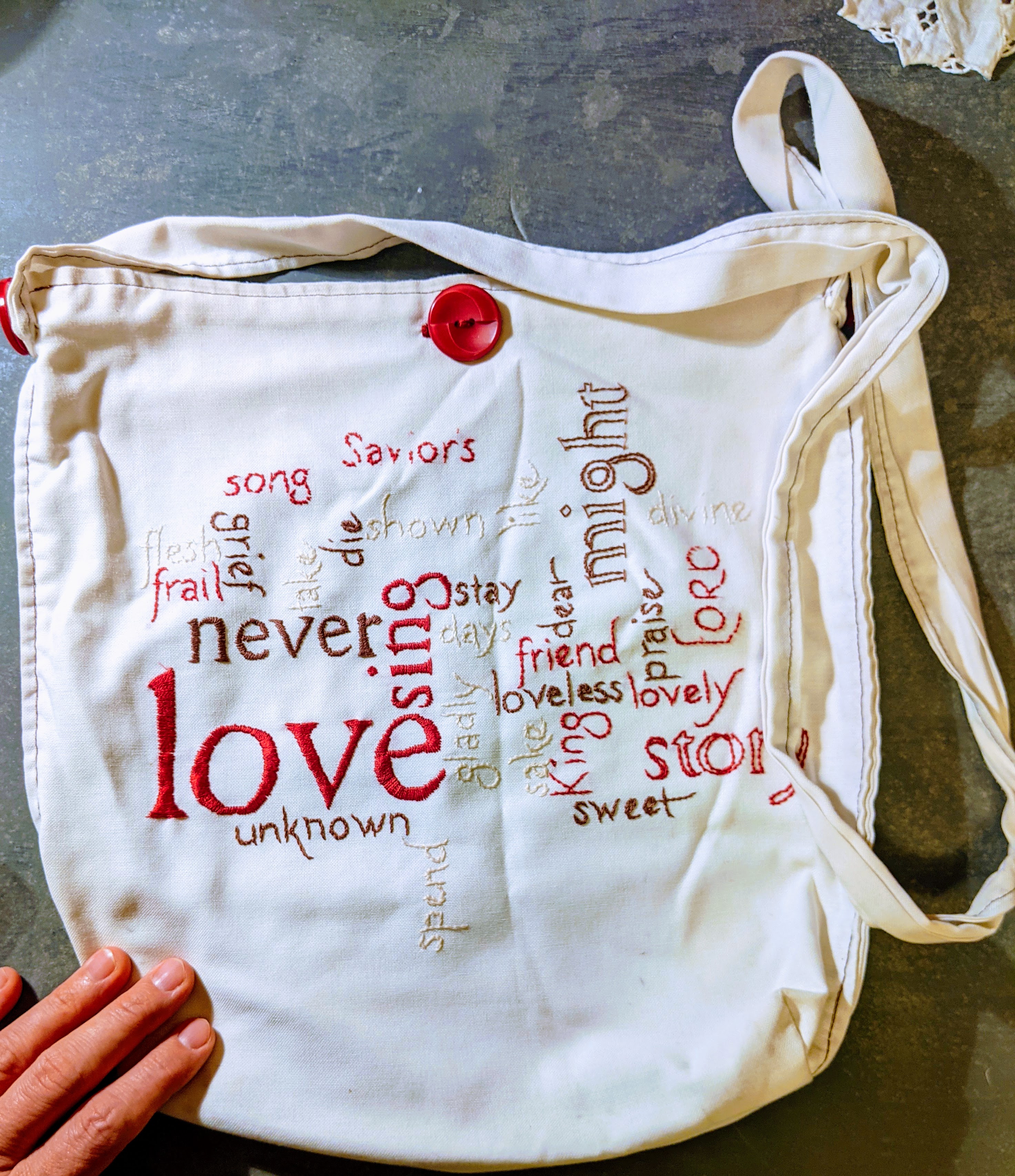






 Tis a Gift to Receive